1970 – 1971
Long March 1
2 launches · 2 fully successful
- Height
- —
- Diameter
- —
- Liftoff mass
- —
- To low Earth orbit
- —
- To GTO
- —
- Liftoff thrust
- —
- Launches here
- 2
- Fully successful
- 2 (100%)
- Reusable
- No
China · since 1970
From Long March 1 lofting Dong Fang Hong 1 in 1970 to the Shenzhou crews, the Tiangong station and Chang'e Moon missions, plus the fast-growing commercial companies: LandSpace, Galactic Energy, CAS Space, Space Pioneer and more.
Upcoming
Schedule from Launch Library 2, refreshed every Monday and Thursday. Times shown in your time zone.
Rocket guide
Every China rocket family, drawn to the same scale with a person for reference. Tap one to read about it.
1970 – 1971
2 launches · 2 fully successful
1973 – 1981
8 launches · 4 fully successful
The Feng Bao 1 was a Chinese carrier rocket launched between 1972 and 1981. It was replaced by the nearly identical Long March 2, which had been developed at the same time for political reasons related to China's Cultural Revolution.
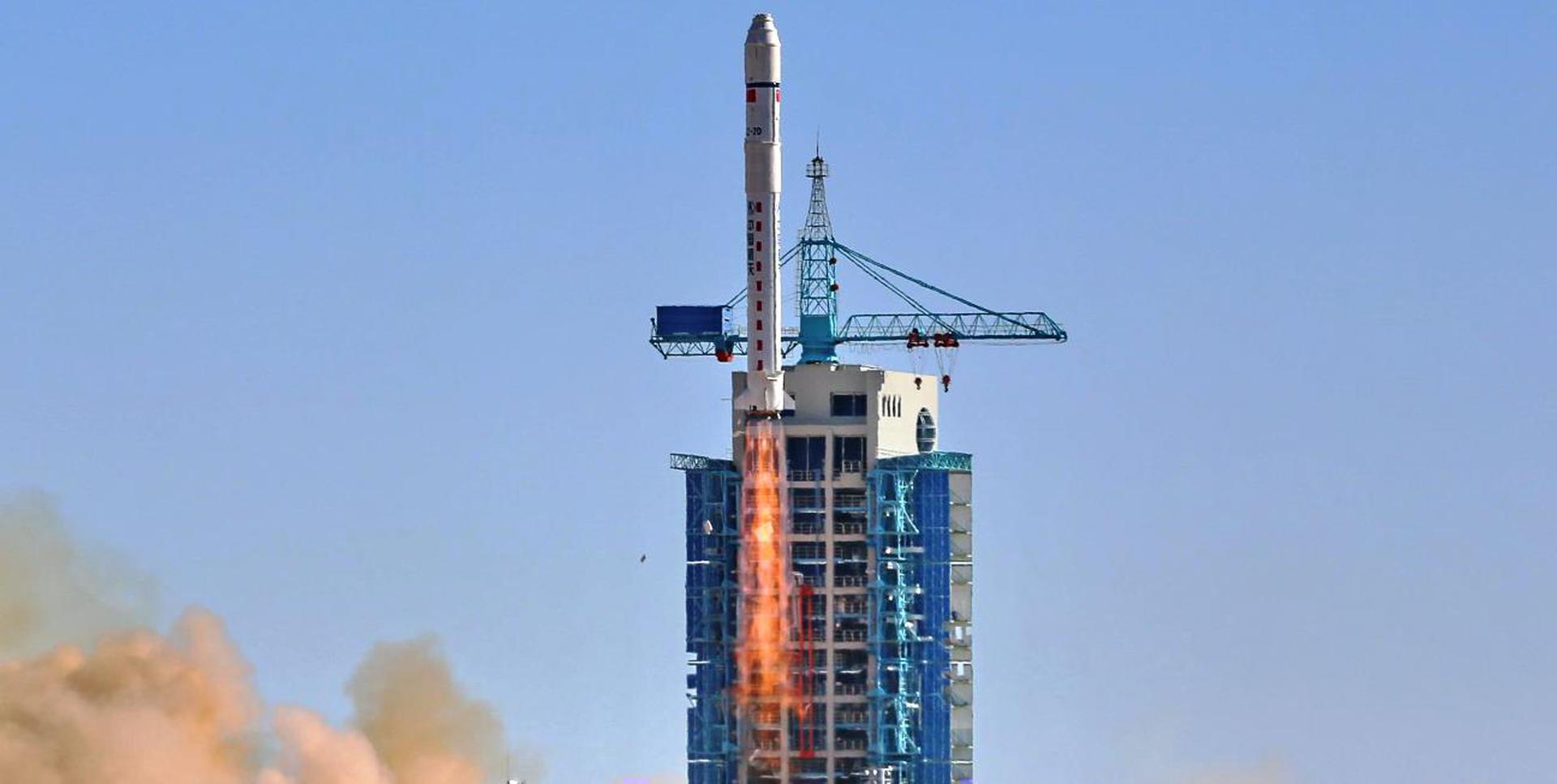
1974 – today
The family behind every Shenzhou crew launch.
The Long March 2D, also known as the Chang Zheng 2D, CZ-2D and LM-2D, is a Chinese orbital carrier rocket. It is a 2-stage carrier rocket mainly used for launching LEO and SSO satellites.
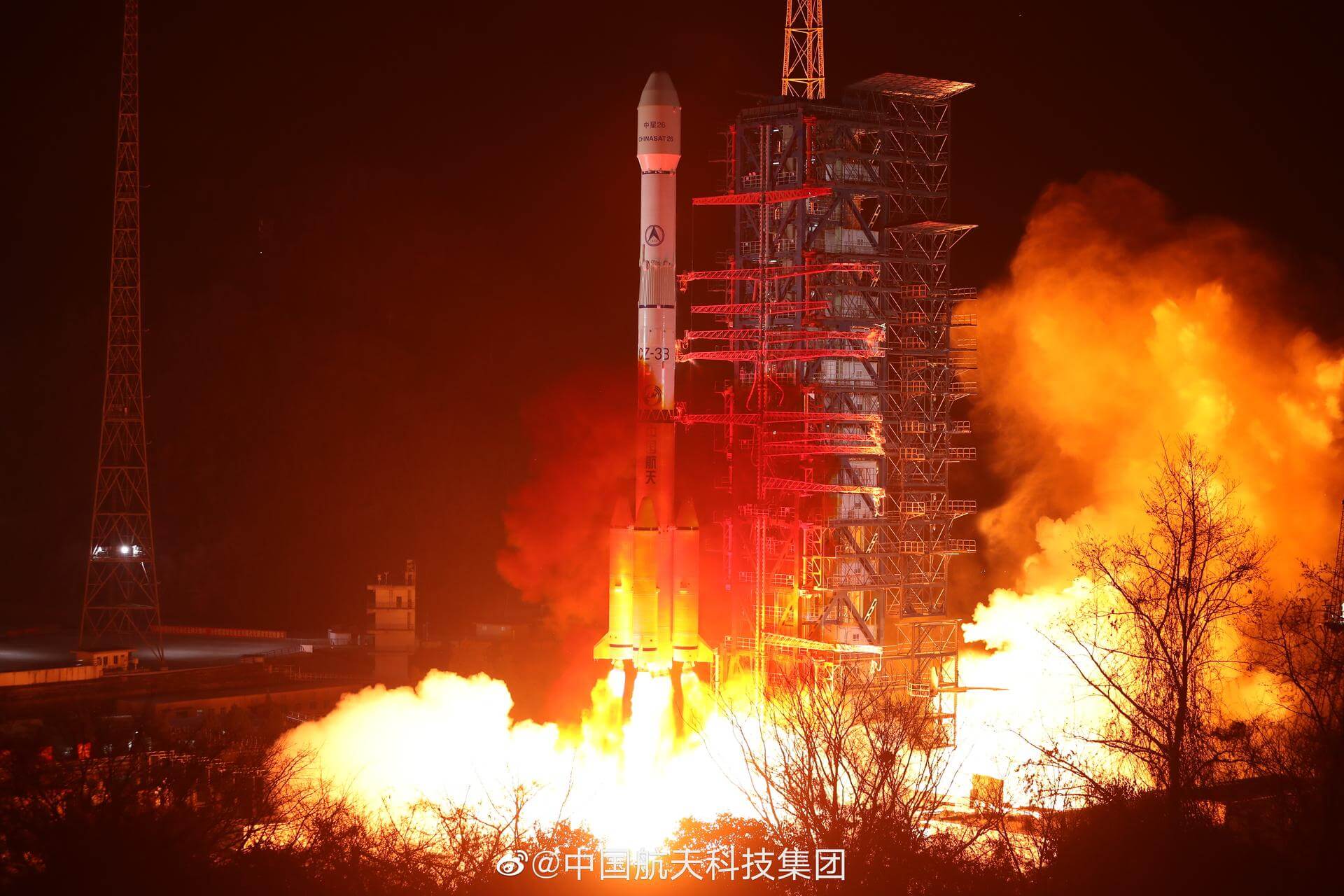
1984 – today
China's main rocket for geostationary and Beidou satellites.
The Long March 3B / E (G2) (CZ-3B / E) is one of the most successful medium-range launchers and the strongest variant of the CZ-3 series. It was specially developed for the transport of heavy communications satellites into a geostationary transfer orbit. The additional designation "E" stands for a higher payload fairing, stretched boosters and extended fuel tanks at the first stage, over the CZ-3B.
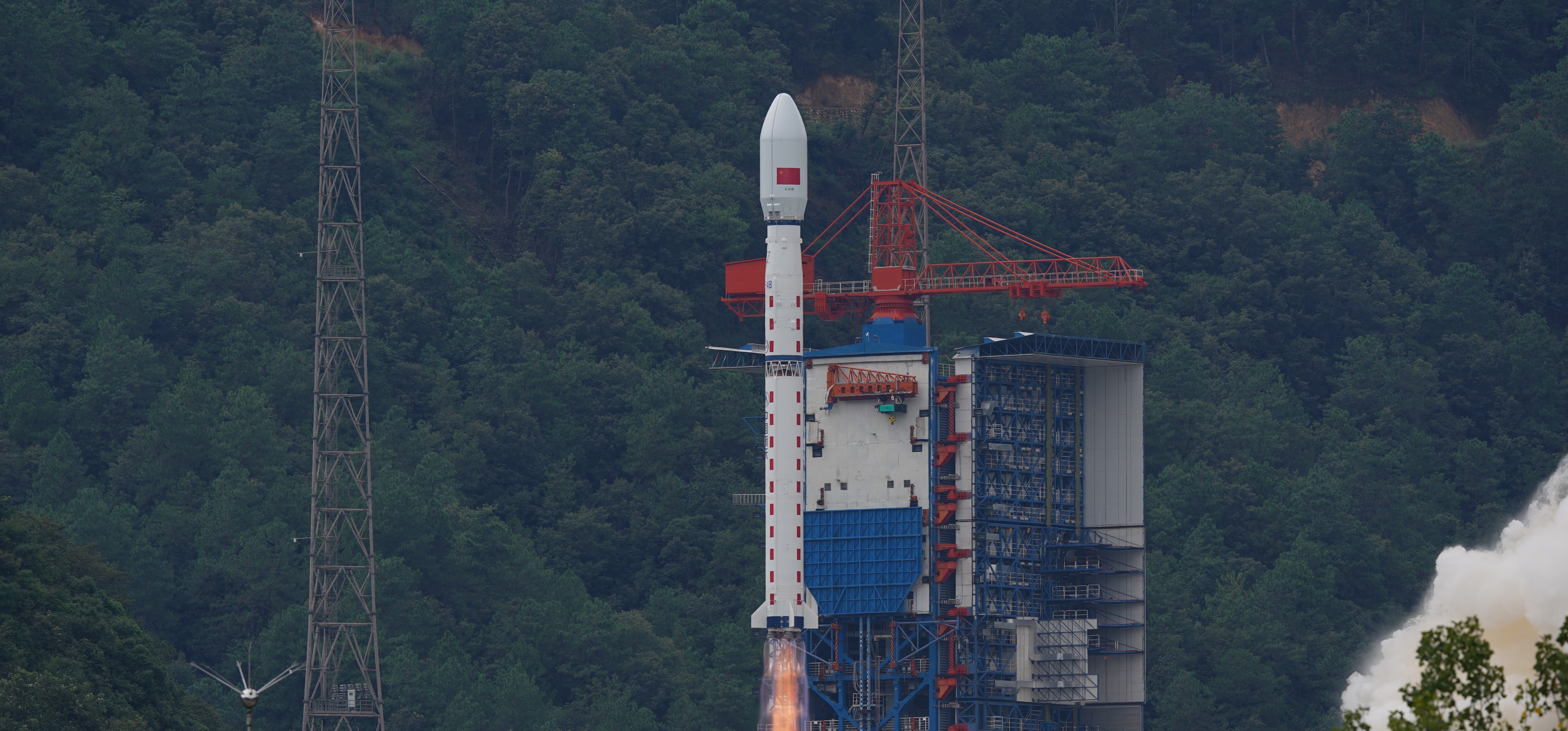
1988 – today
121 launches · 118 fully successful
The Long March 4B (Chinese: 长征四号乙火箭), also known as the Chang Zheng 4B, CZ-4B and LM-4B is a Chinese orbital carrier rocket. Launched from Launch Complex 1 at the Taiyuan Satellite Launch Center, it is a 3-stage rocket, used mostly to place satellites into low Earth and sun synchronous orbits.
2002 – 2017
4 launches · 1 fully successful
A small solid fueled launch vehicle based on the road mobile DF-21 IRBM with an additional upper stage.
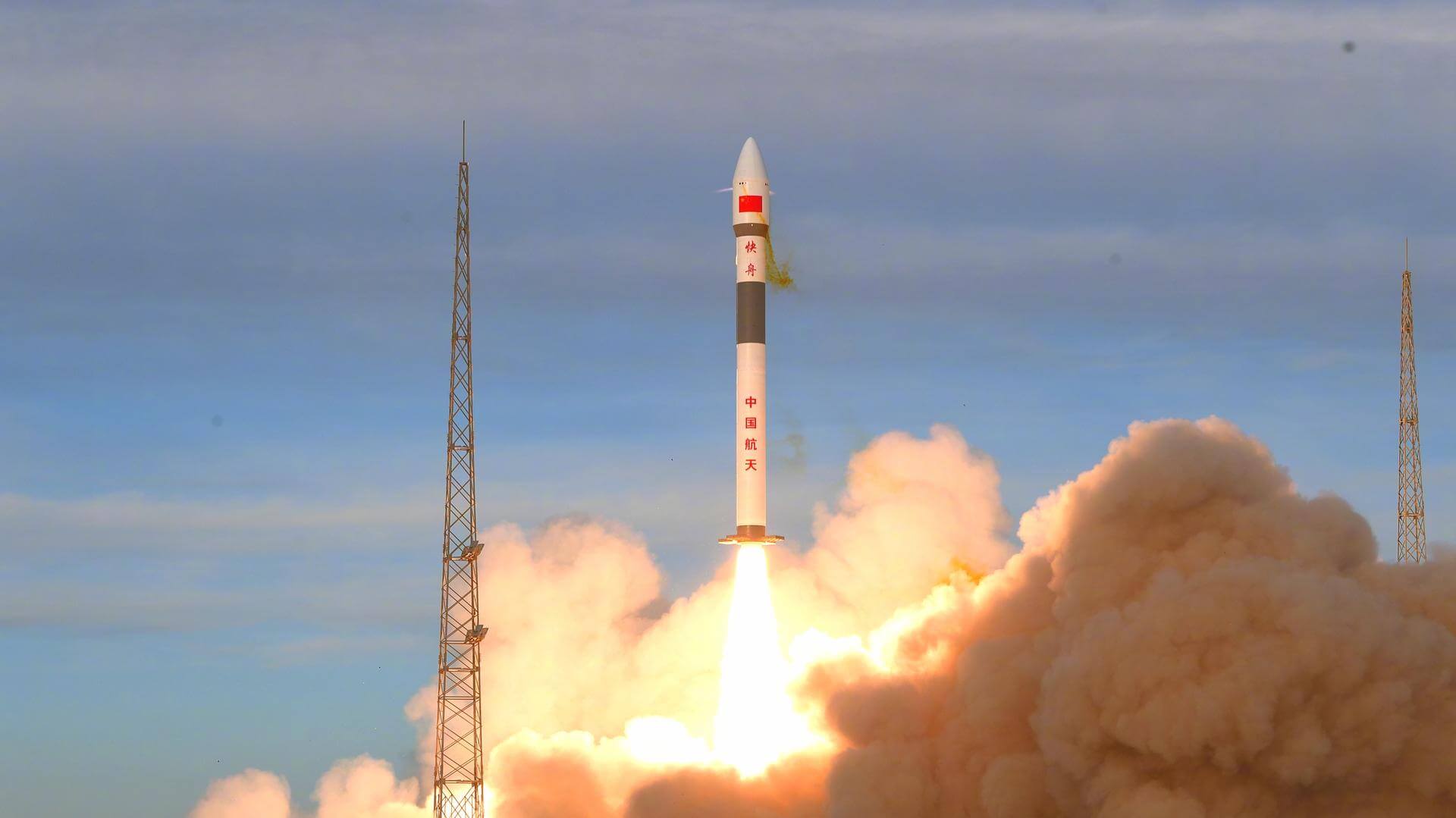
2013 – today
40 launches · 36 fully successful
Kuaizhou is a family of Chinese "quick-reaction" orbital launch vehicles. Flying since 2013, Kuaizhou 1 and 1A consist of three solid-fueled rocket stages, with a liquid-fueled fourth stage as part of the satellite system.
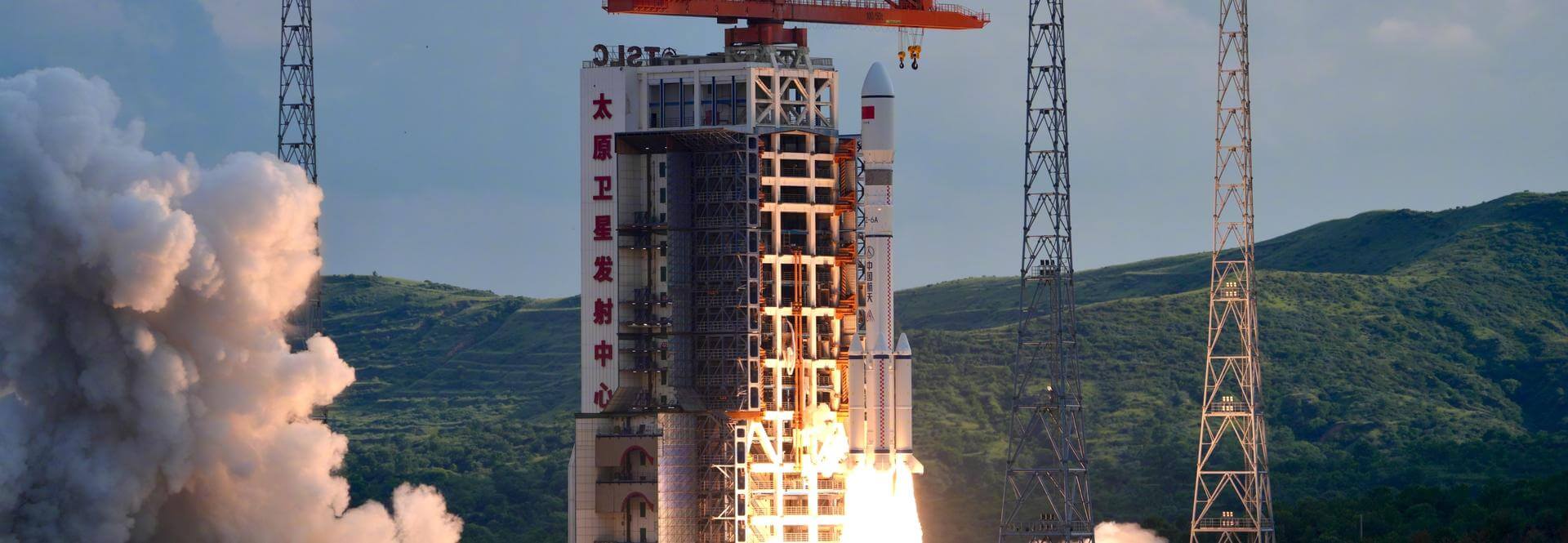
2015 – today
45 launches · 45 fully successful
The Long March 6A is a Chinese launch vehicle of the Long March family, which was developed by the China Aerospace Science and Technology Corporation (CASC) and the Shanghai Academy of Spaceflight Technology (SAST). The vehicle is a further development of the Long March 6, with 2 YF-100 engines on the first stage as opposed to 1 on the Long March 6, augmented by 4 solid rocket boosters. The Long March 6A is China's first rocket with solid rocket boosters. The maiden launch of the Long March 6A took place 29 March 2022, successfully reaching orbit. It was also the first launch from the newly built launch complex 9A in Taiyuan.
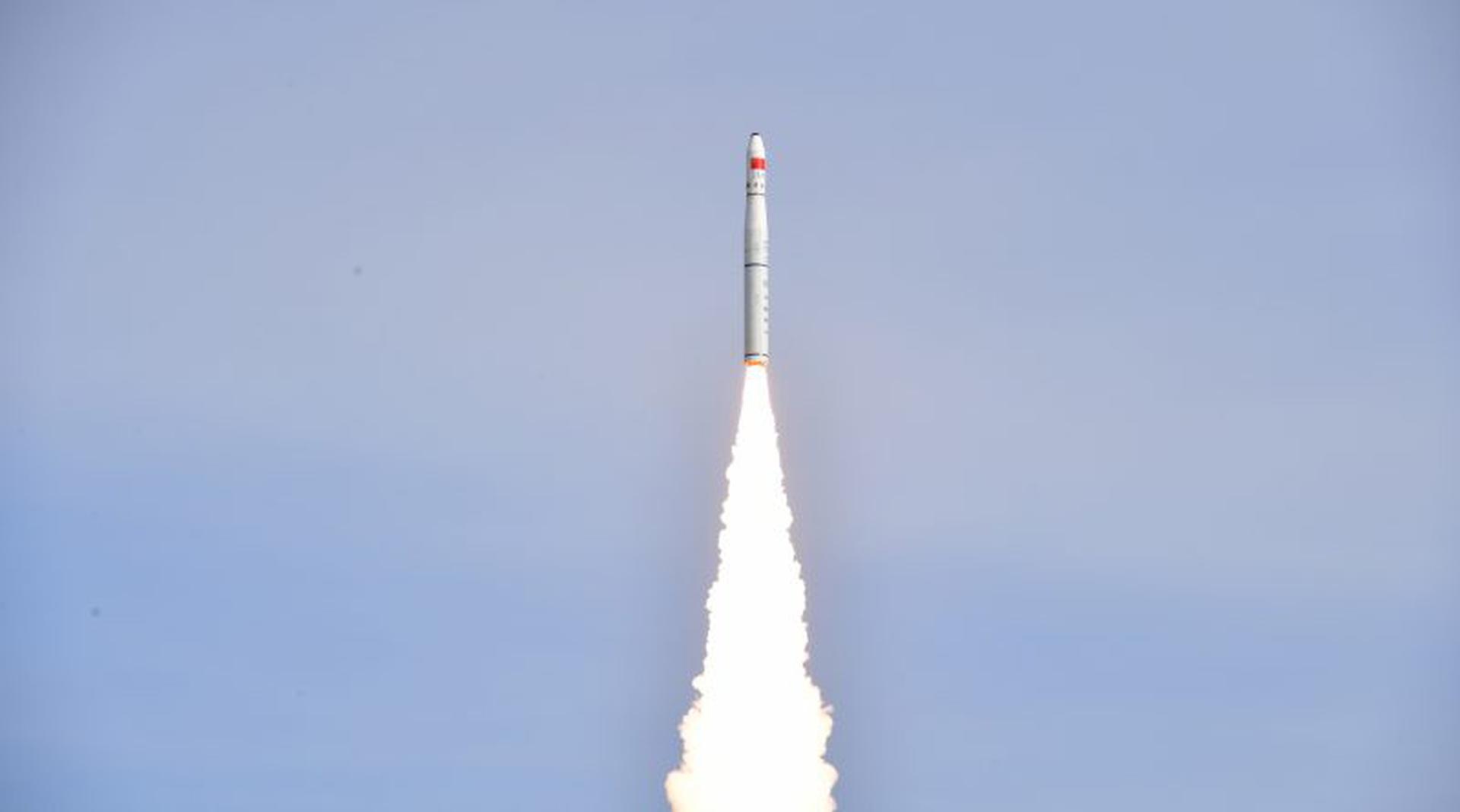
2015 – today
18 launches · 18 fully successful
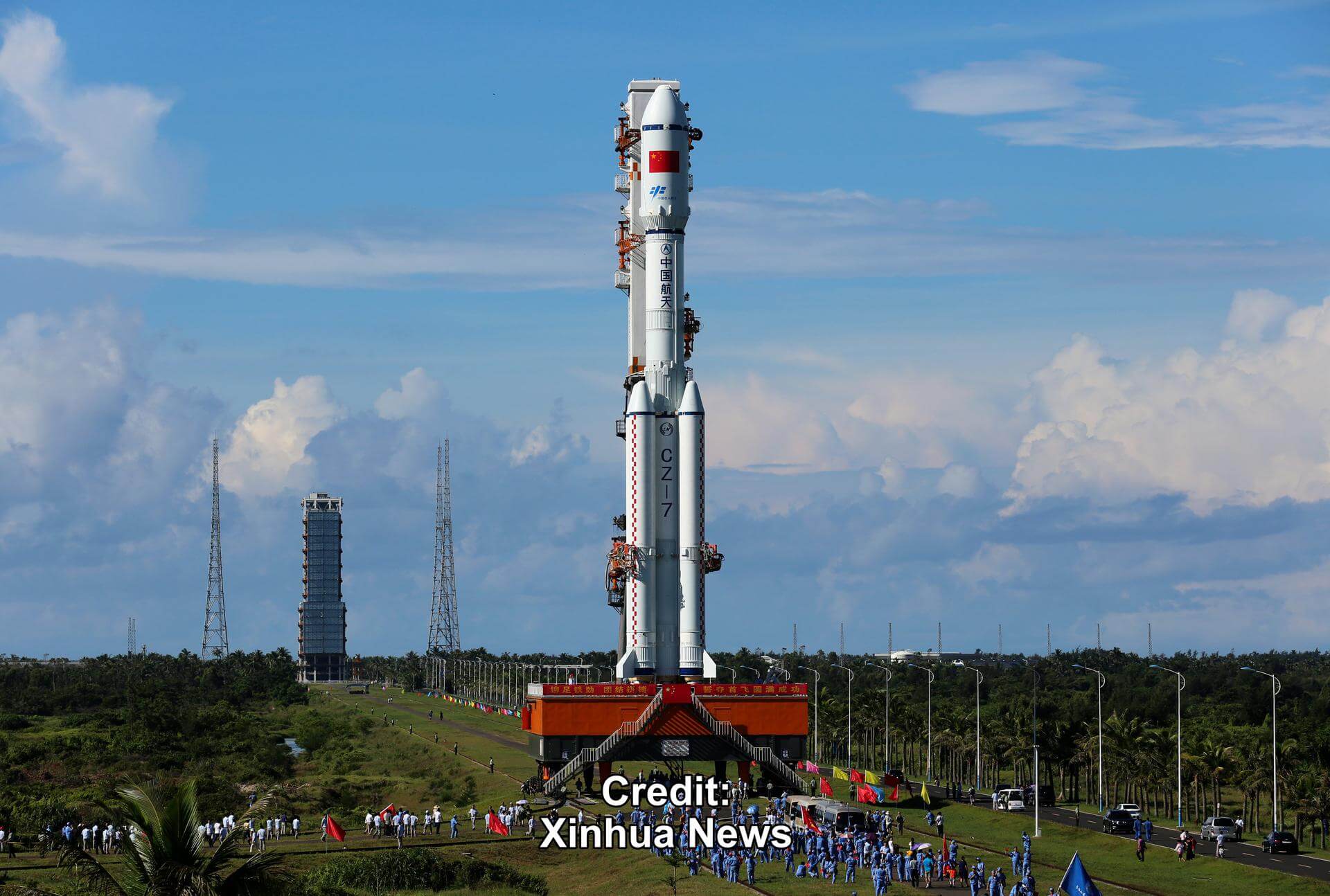
2016 – today
29 launches · 27 fully successful
The Long March 7 is a Chinese liquid-fuelled launch vehicle of the Long March family, developed by the China Aerospace Science and Technology Corporation (CAST). It made its inaugural flight on 25 June 2016 and is used to launch Tianzhou resupply spacecraft to the Chinese Space Station.
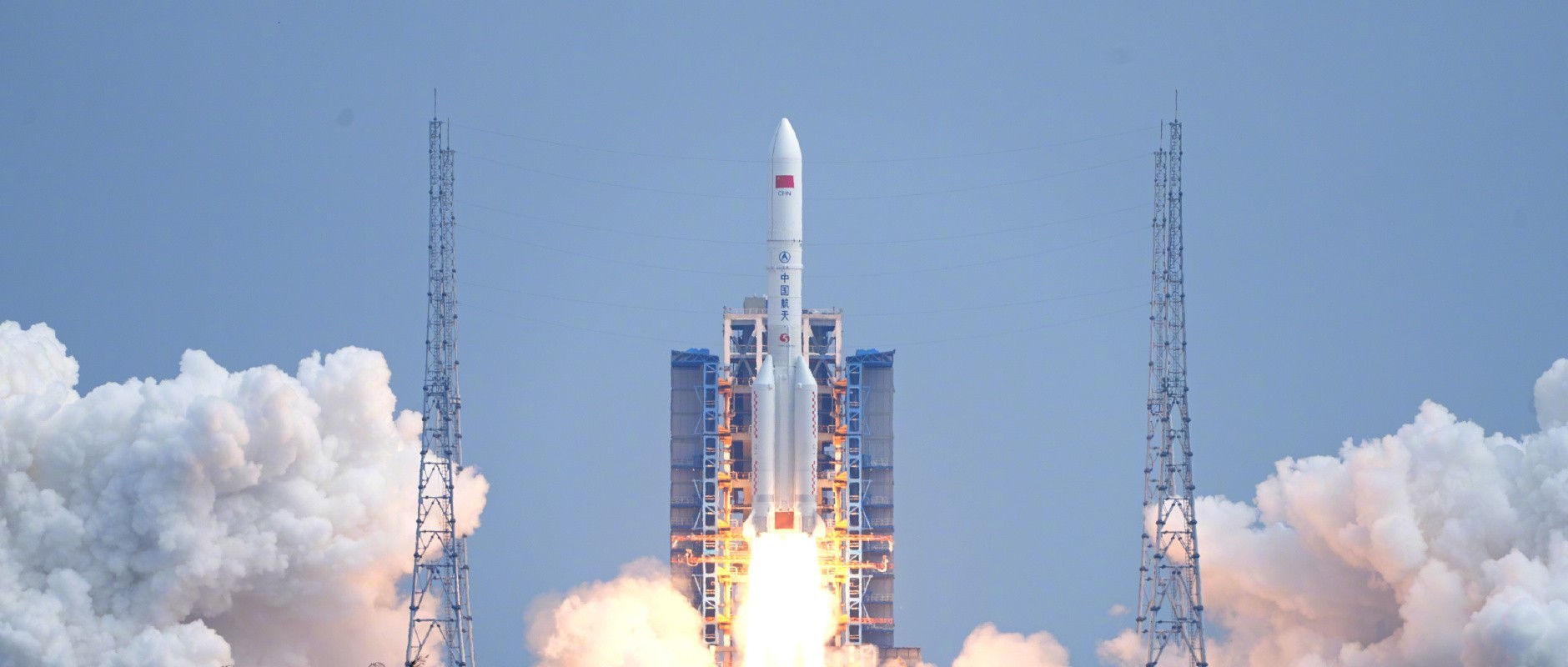
2016 – today
China's heaviest flying rocket: Tianwen-1 to Mars, Chang'e 5 and 6 to the Moon.
Long March 5 is a Chinese heavy lift launch system developed by China Academy of Launch Vehicle Technology (CALT). CZ-5 is the first Chinese vehicle designed from the ground up to focus on non-hypergolic liquid rocket propellants. Currently, two CZ-5 vehicle configurations are planned, with maximum payload capacities of ~25,000 kilograms (55,000 lb) to LEO and ~14,000 kilograms (31,000 lb) to GTO. The Long March 5 roughly matches the capabilities of American EELV heavy-class vehicles such as the Delta IV Heavy.
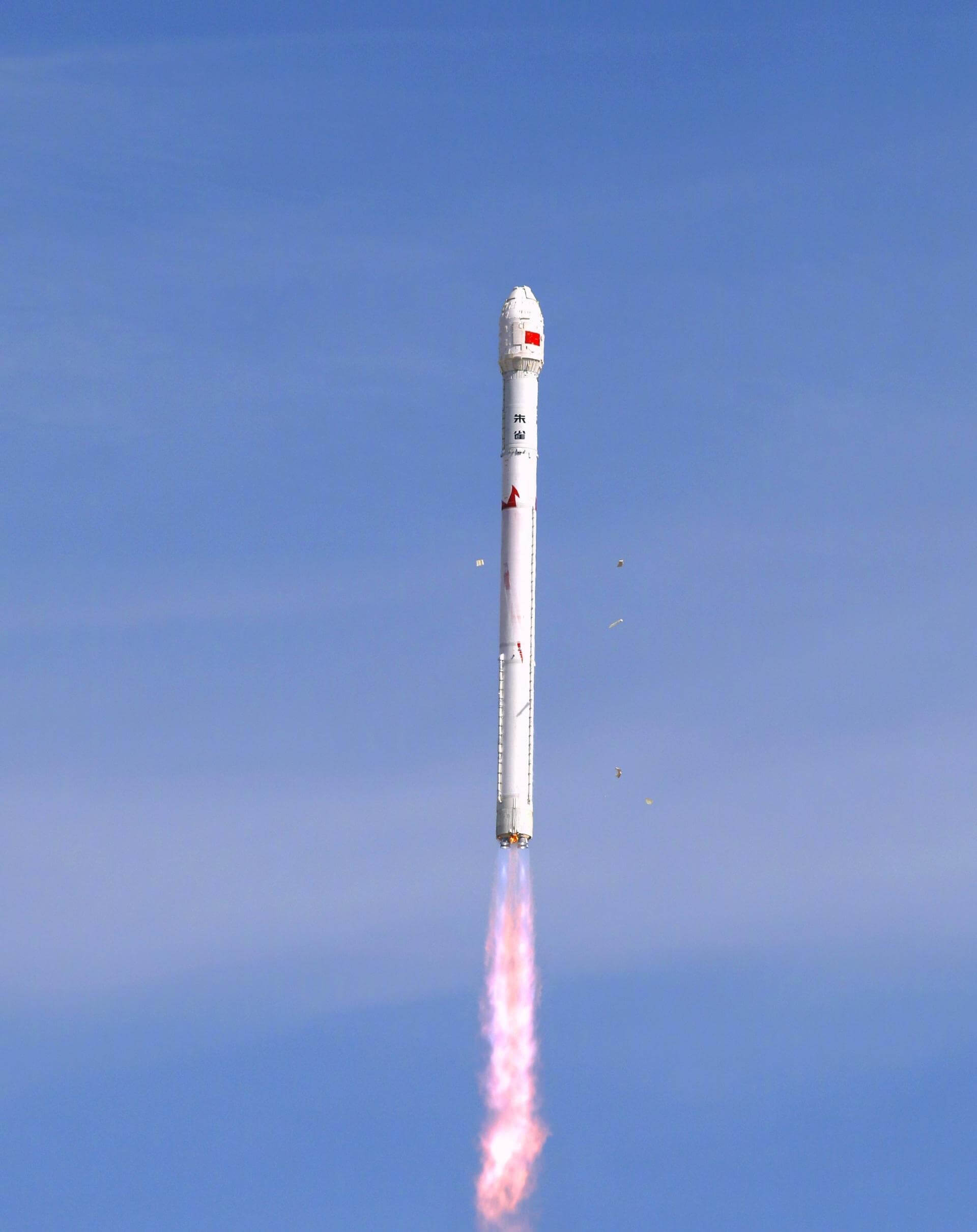
2018 – today
13 launches · 10 fully successful
Zhuque-2E (E stands for “enhanced”) is a medium-sized rocket powered by liquid oxygen and methane capable of lifting 6,000 kg of payload into a 200 km low Earth orbit, or 4,000 kg of payload into a 500 km Sun-synchronous orbit. It differs from the baseline Zhuque-2 in using enhanced TQ-12A engines on the 1st stage with higher thrust and specific impulse than the original TQ-12, and a new TQ-15A engine on the 2nd stage that has a moveable nozzle. The Block 2 variant lengthens the 1st stage with more propellant load and a lighter structure, plus engines with still more increased thrust to reach the capabilities listed above.
2019
1 launches · 0 fully successful
OS-M1 or just OS-M is a 4 stage solid fuel orbital rocket that is 19-meters long, 1.2 meters in diameter and weighs 21-tons. It is designed to lift about 112 kilograms into a 500 km sun-synchronous orbit.
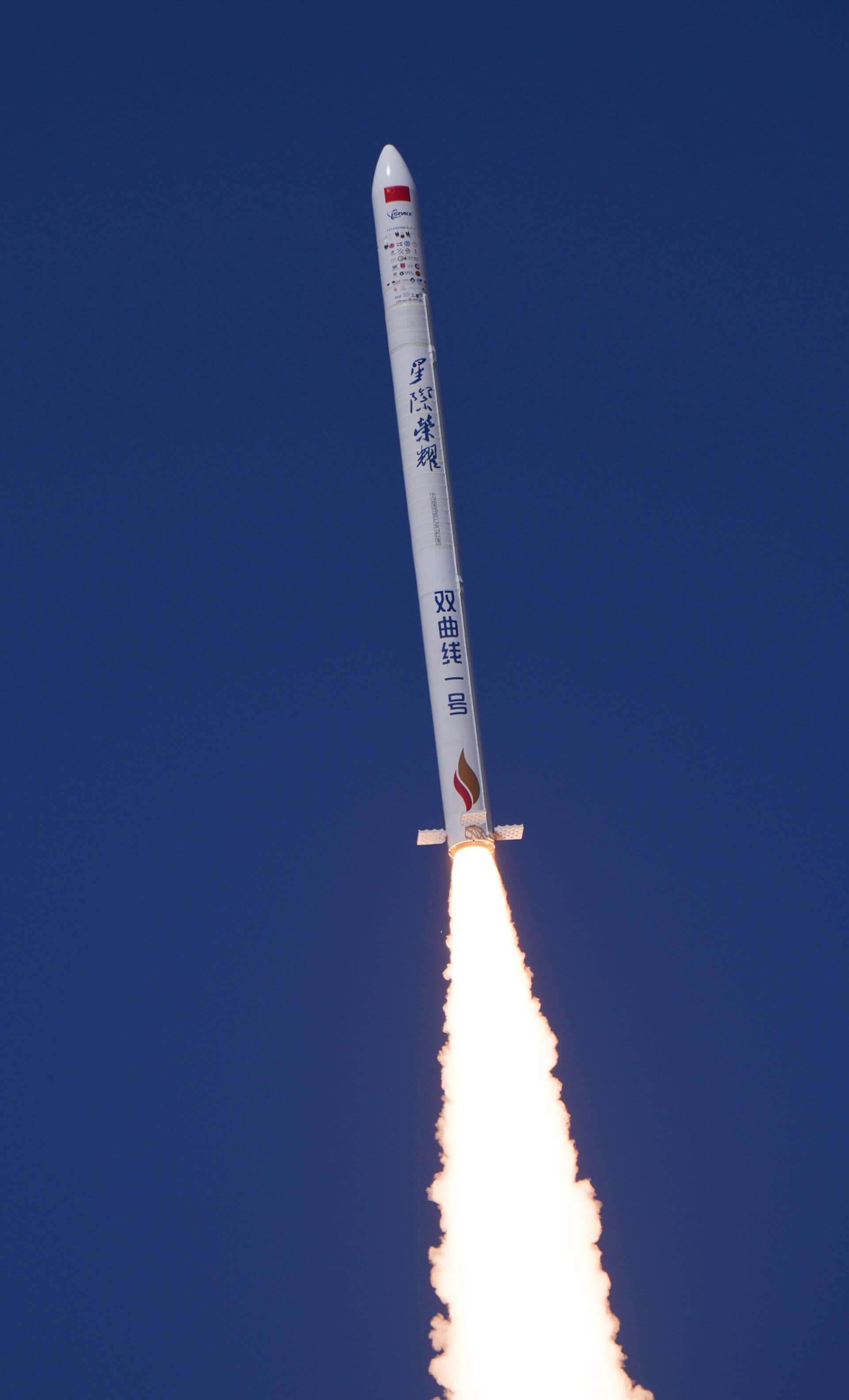
2019 – today
8 launches · 4 fully successful
i-Space's first orbital rocket.
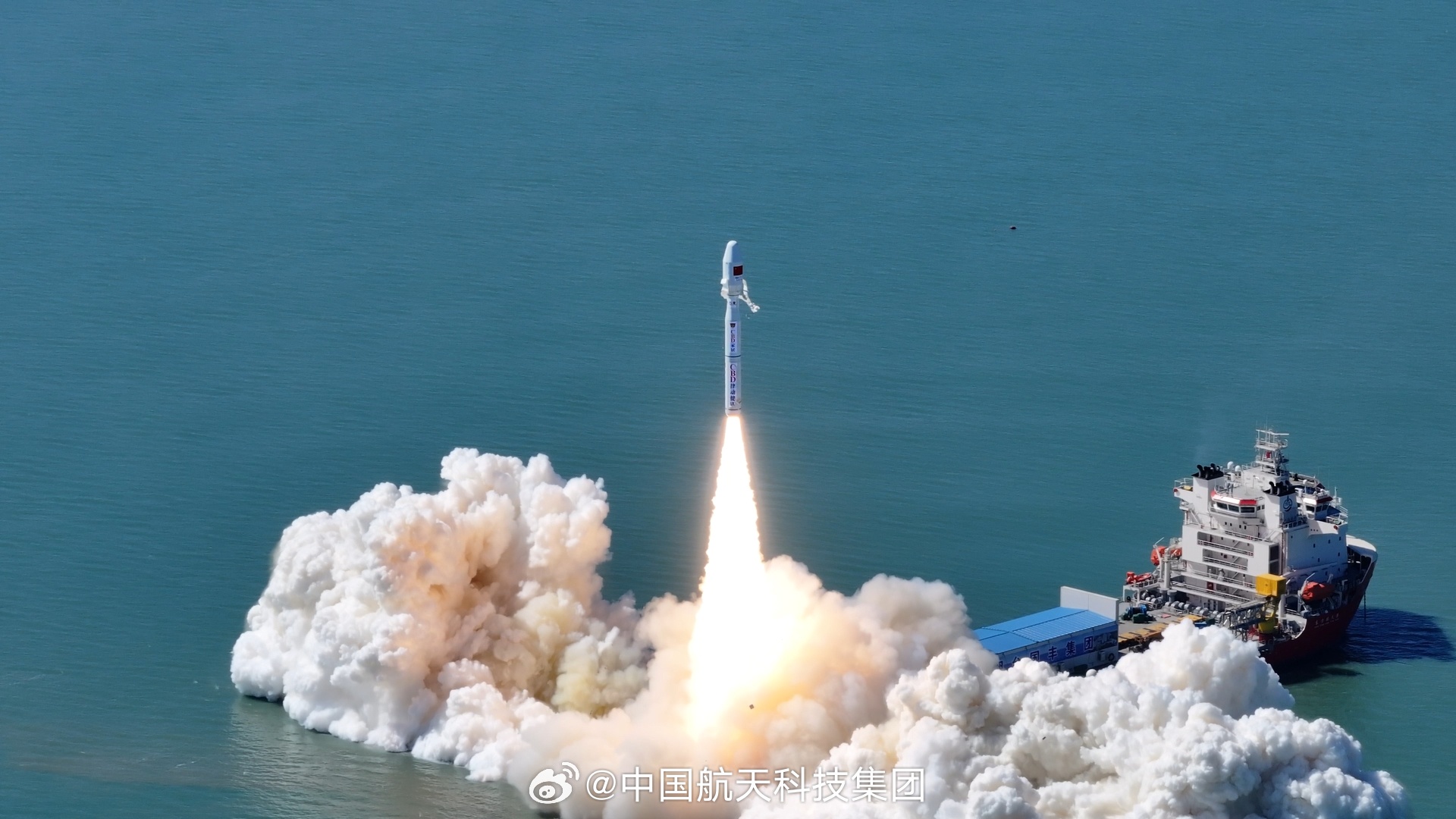
2019 – today
13 launches · 13 fully successful
Smart Dragon-3 is a solid fuel orbital rocket designed by a subsidiary of the state-owned CASC group built for the commercial market.
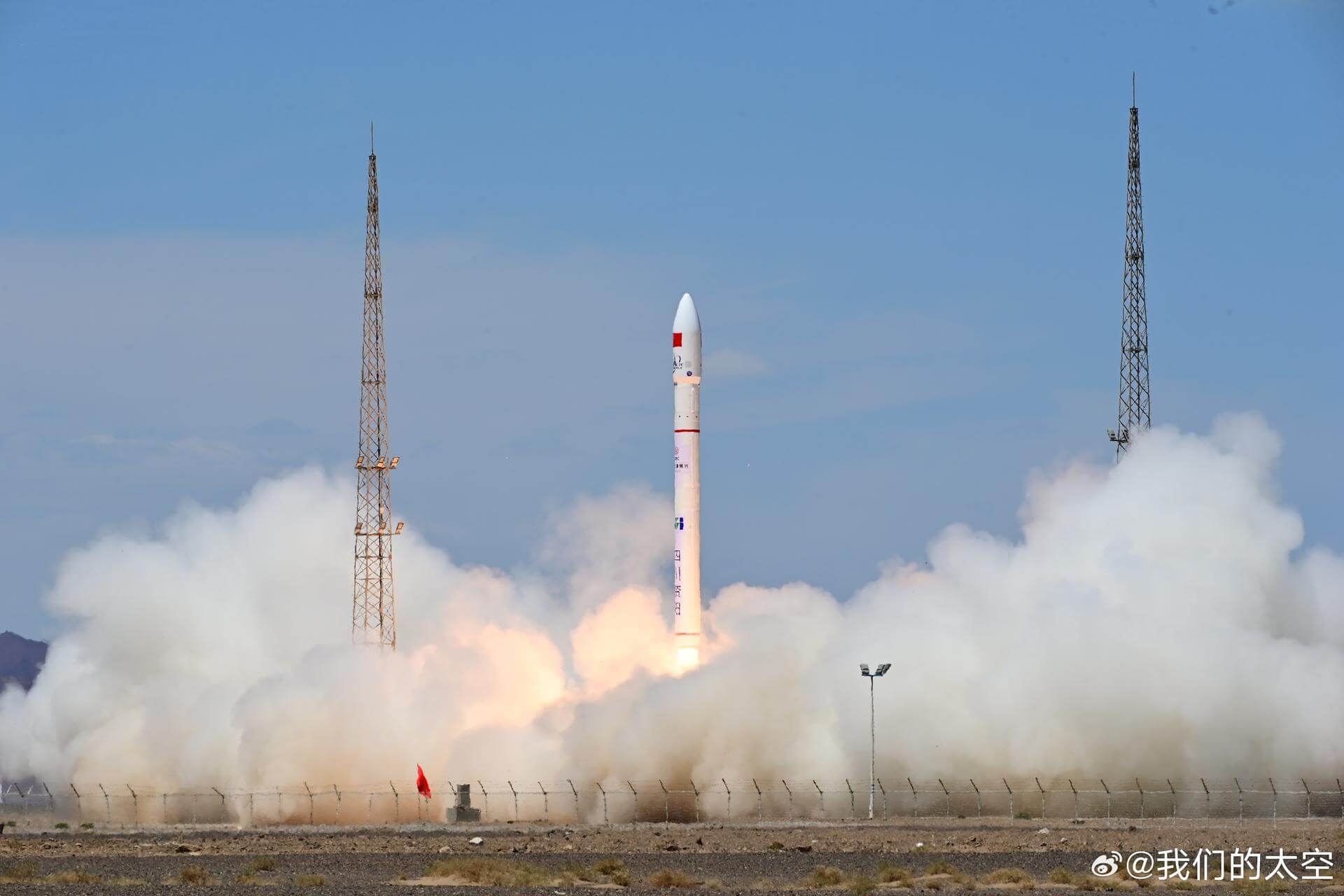
2020 – today
24 launches · 22 fully successful
Ceres-1 is the first solid propellant launch vehicle of Galactic Energy.
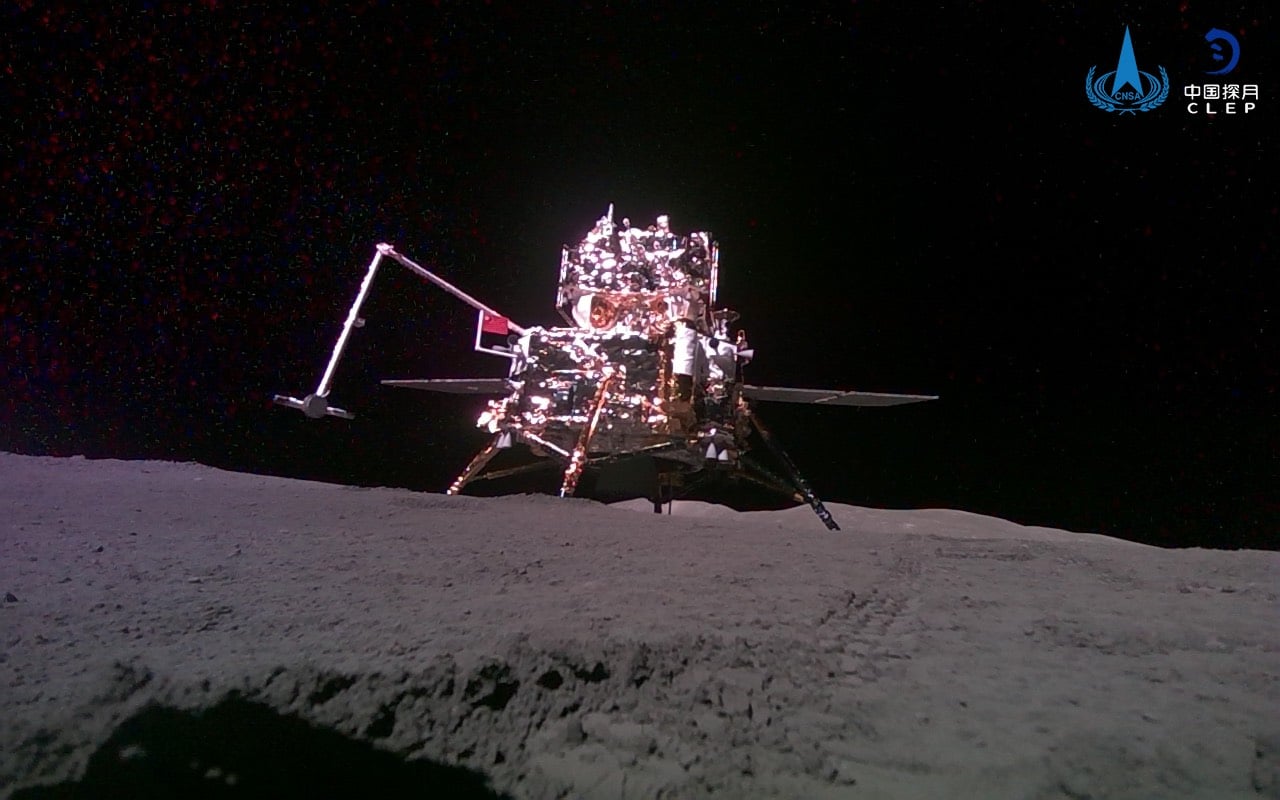
2020 – 2024
2 launches · 2 fully successful
Sample ascent stage of the Chang'e 5 and 6 missions.
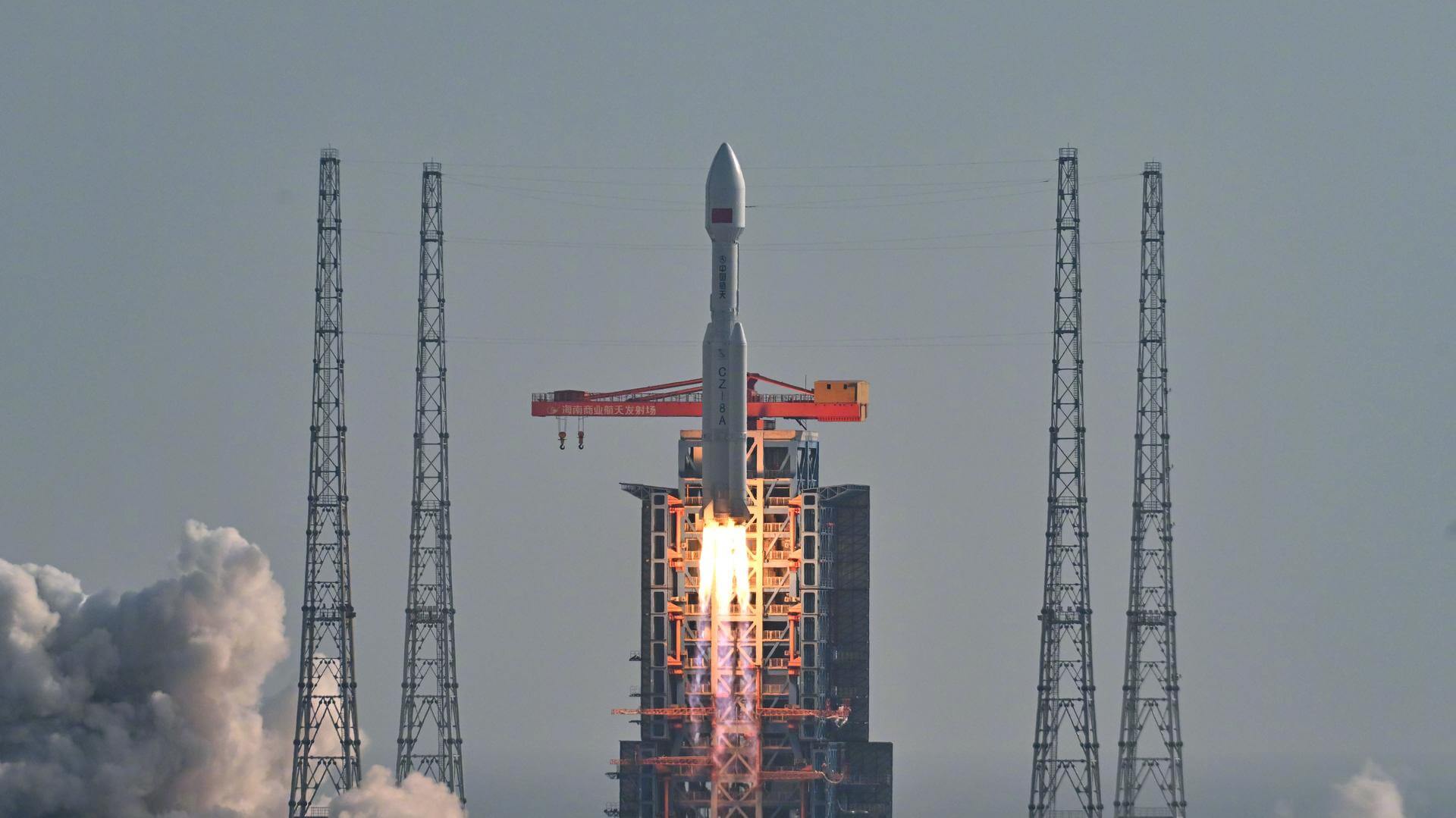
2020 – today
20 launches · 20 fully successful
The Long March 8A is an orbital launch vehicle developed by the China Academy of Launch Vehicle Technology based on the Long March 8. It has an increased capability of up to 7 tonnes to a 700 km altitude sun-synchronous orbit. It implements a larger 3.35 meters diameter liquid hydrogen/liquid oxygen 2nd stage, coupled with 2 upgraded version of the YF-75D engines used on the Long March 5 (known as the YF-75H) with increased thrust to 10 tonnes each through measures such as increased turbopump speeds. The Long March 8A can also use a larger 5.2 meters diameter payload fairing.
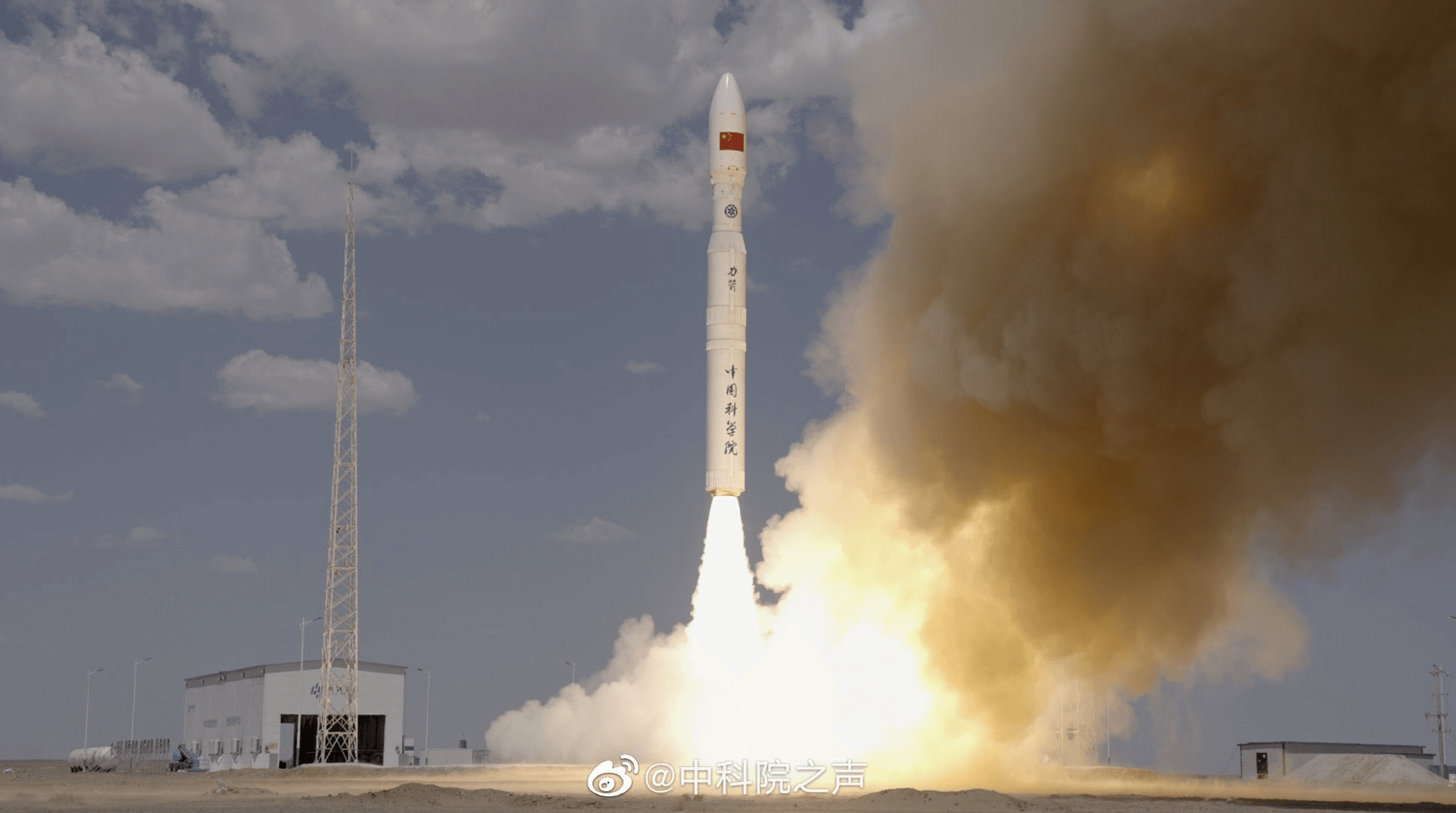
2022 – today
16 launches · 15 fully successful
Kinetica 1 (also known as Lijian-1, Chinese: 力箭一号) is a Chinese solid-propellant light launch vehicle. It is capable of placing about 2 tons into low earth orbit and 1.5 tons into sun-synchronous orbit. It is developed by CAS Space, a subsidiary of the Chinese Academy of Sciences. Kinetica 1 is a light launcher whose first stage seems to be derived from the DF-31 long-range intercontinental ballistic missile. It is 30 m high and has a diameter of 2.65 m, with a liftoff mass of 135 t. It's the largest Chinese solid propellant launcher to date, with four stages with a thrust of 200, 100, 50 and 10 tons respectively. The fairing has a diameter of 3.35 meters.
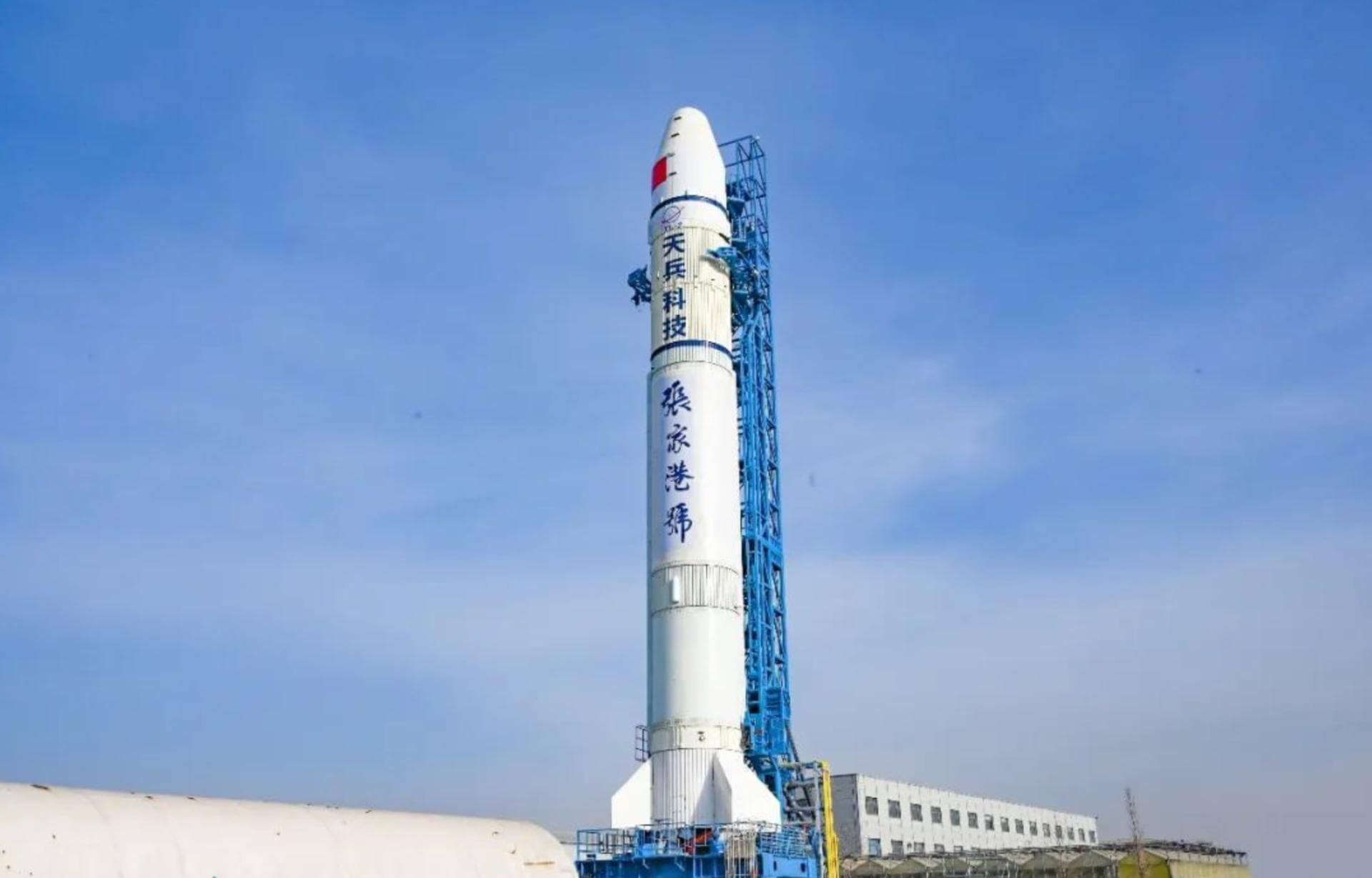
2023
1 launches · 1 fully successful
Tianlong-2 is a medium-sized, 3 stage rocket powered by RP-1 and liquid oxygen, with payload capability of 2 tonnes to LEO and 1.5 tonnes to SSO. Tianlong-2 has a liftoff weight of 150 tonnes, liftoff thrust of 190 tonnes and initially uses 3 YF-102 expander cycle RP-1/LOX engines on the first stage each with a thrust of 63.3 metric tonnes. The second stage uses 1 TH-11 staged combustion RP-1/LOX with a thrust of 30.6 metric tonnes. 7 TH-11 engines will be used for the 1st stage of subsequent vehicles. The third stage uses 1 TH-31 NTO/MMH hypergolic fuel engine with 3000 N thrust and 8 x 150 N RCS thrusters. The Tianlong-2 is the first Chinese RP-1-fueled private orbital rocket to attempt an orbital flight.
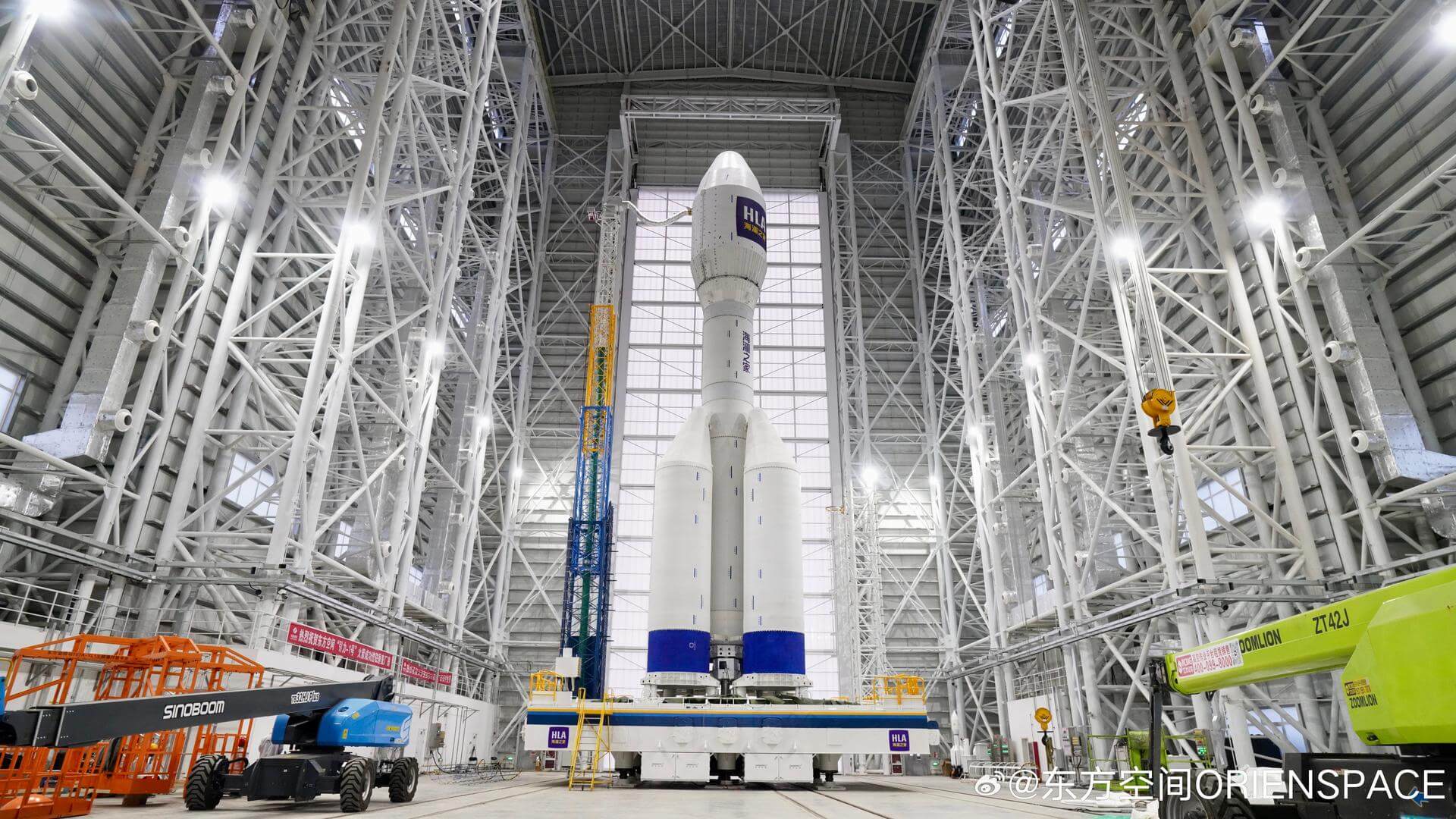
2024 – today
4 launches · 4 fully successful
A 4 stage launch vehicle by Chinese private company OrienSpace, consisting of 5 solid rocket motors clustered together but with the center motor igniting just before boosters separation. The upper two stages also uses solid fuel.
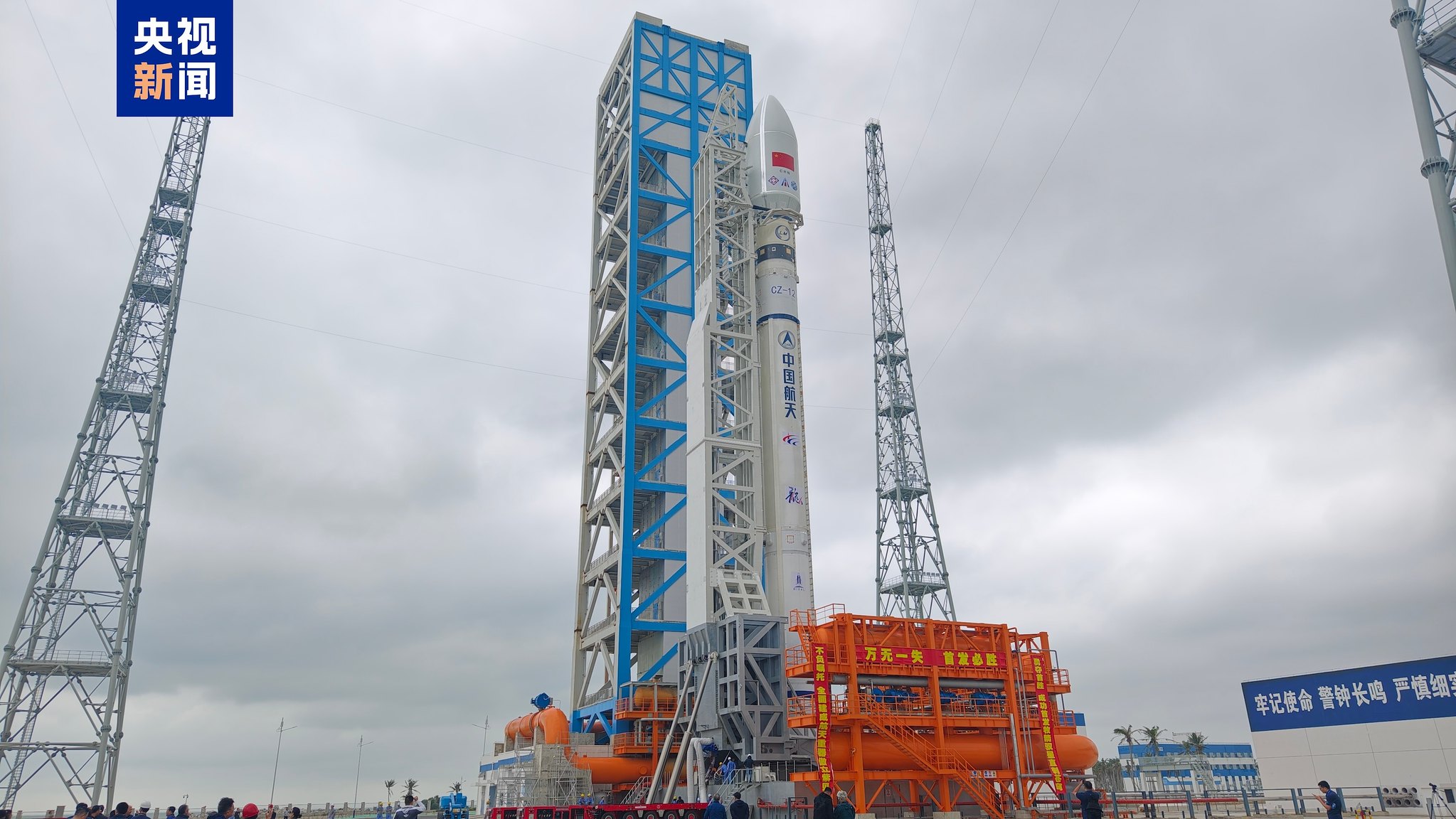
2024 – today
12 launches · 12 fully successful
The Long March 12 carrier rocket is a Chinese medium-lift launch vehicle currently under development by the Shanghai Academy of Spaceflight Technology, using kerosene and liquid oxygen as propellant. It will be capable of placing at least 10 tonnes of payload in low Earth orbit and at least 6 tonnes in a 700 km Sun-synchronous orbit.
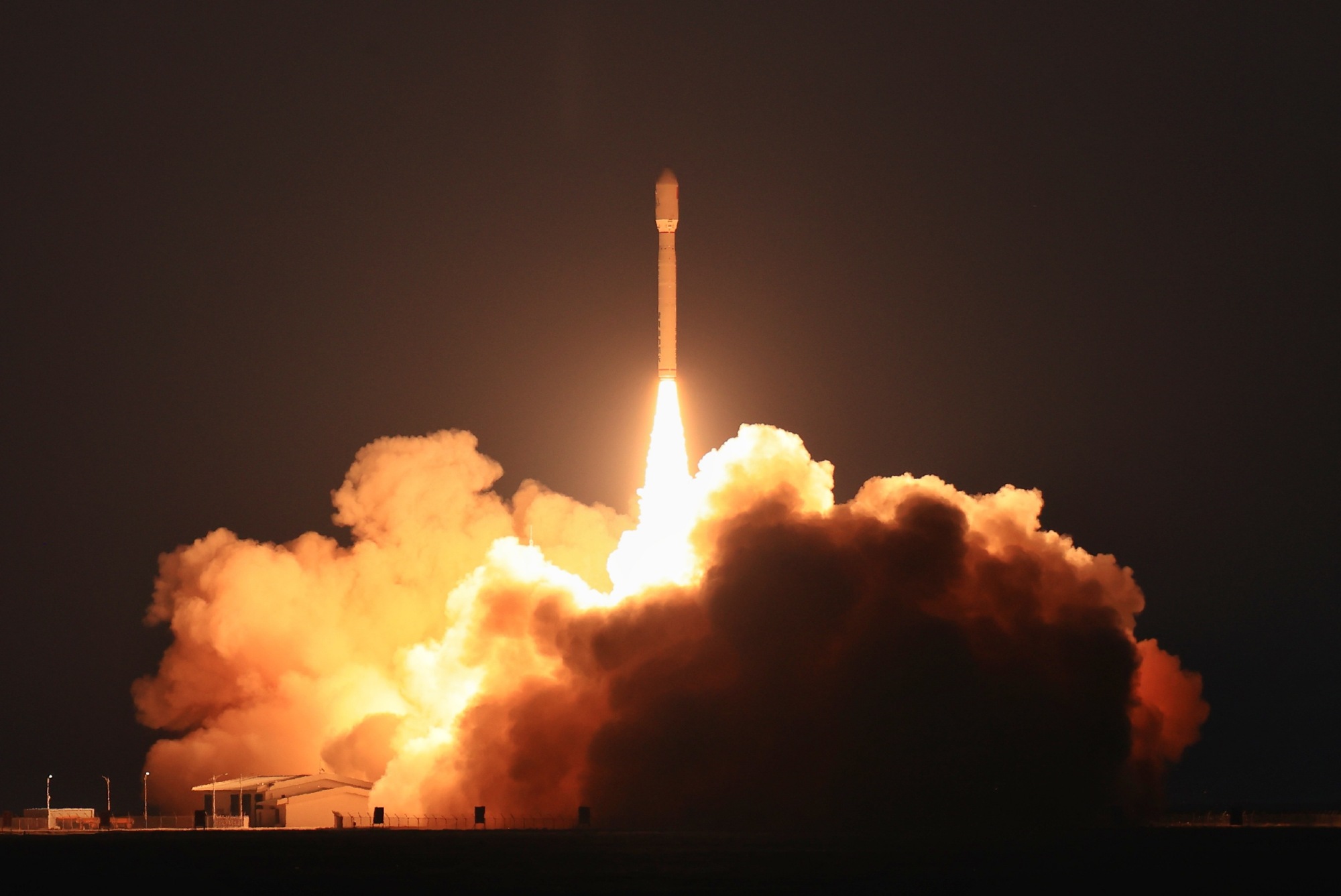
2026 – today
2 launches · 1 fully successful
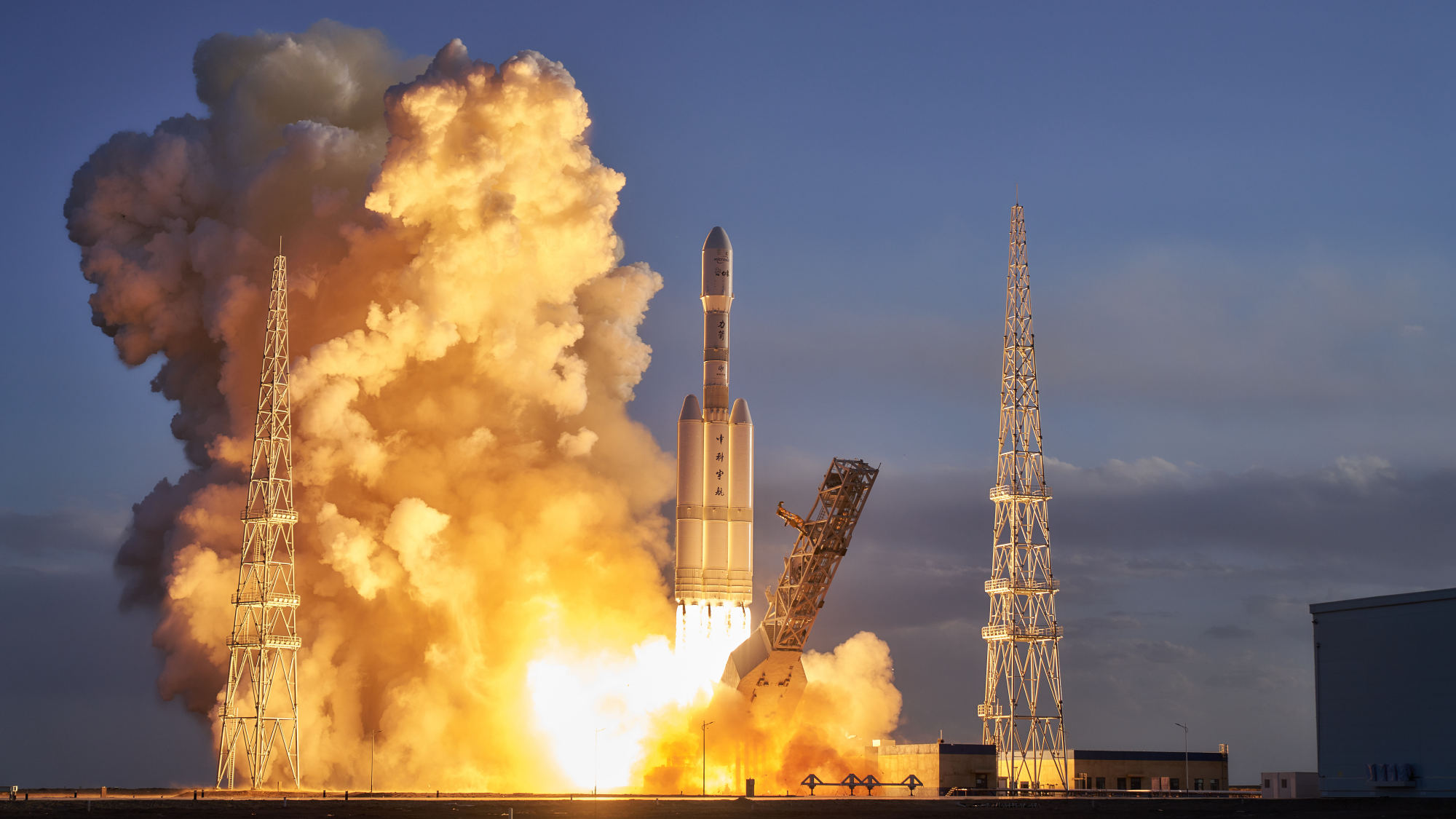
2026 – today
2 launches · 2 fully successful
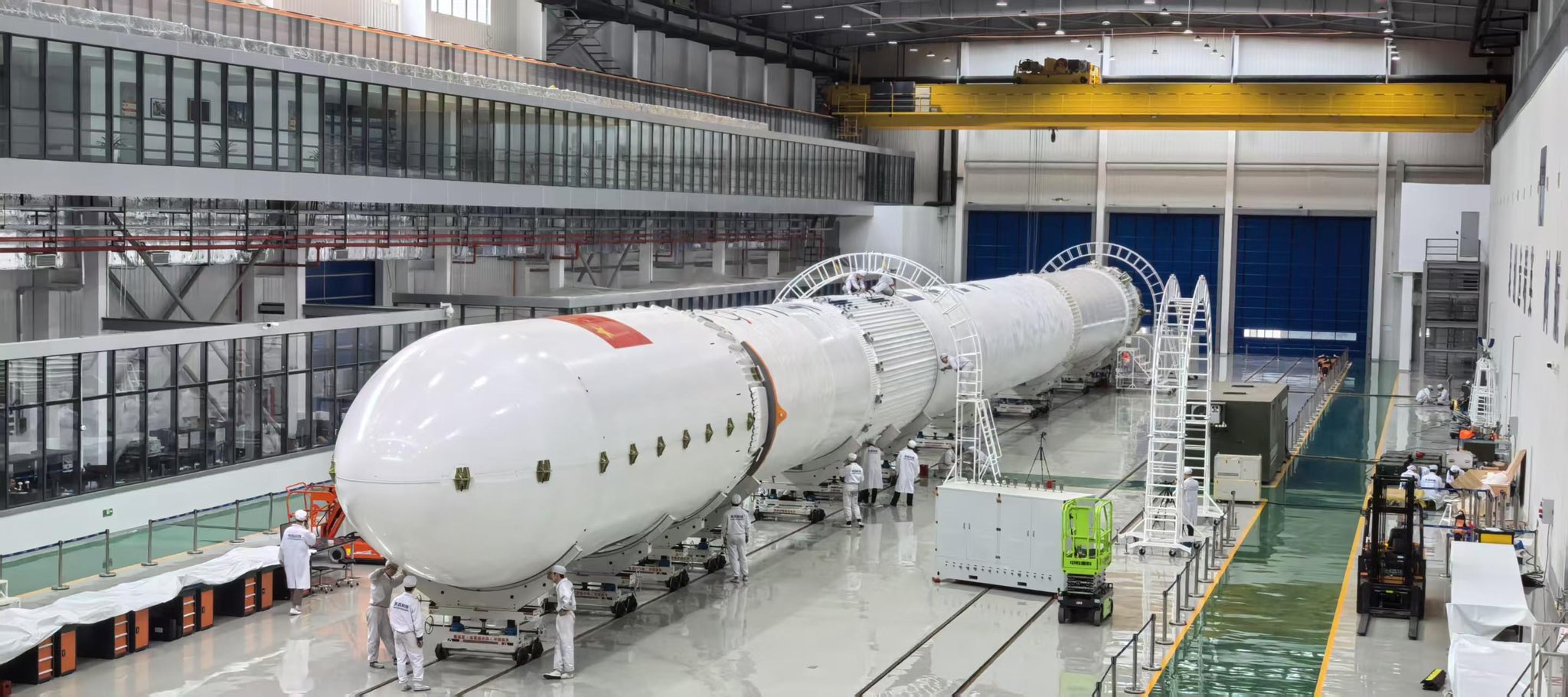
2026 – today
1 launches · 0 fully successful
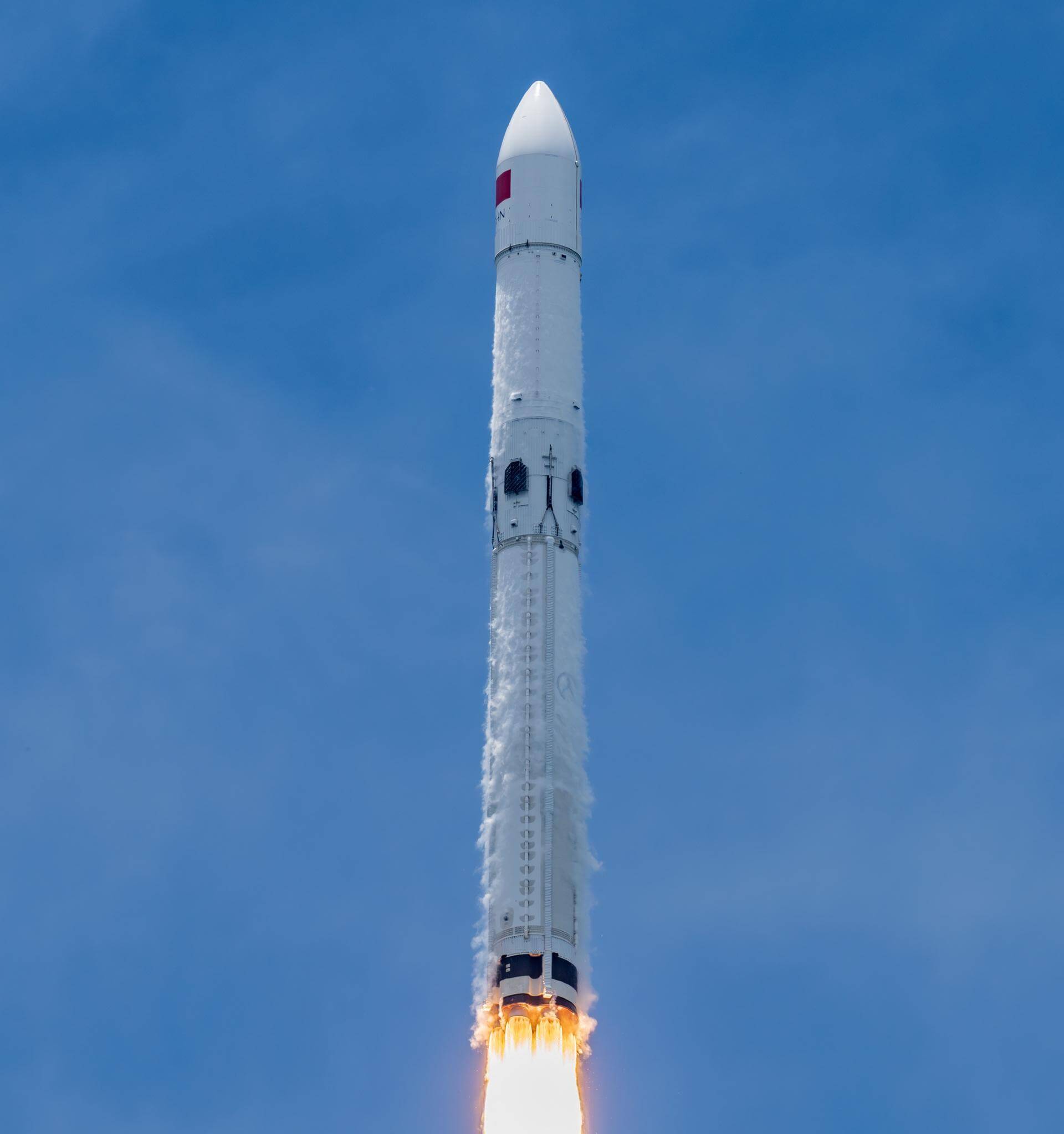
2026 – today
The rocket China is building to land astronauts on the Moon.
The Long March 10B is a reusable launch vehicle based on the 1st stage of the Long March 10A, in turn derived from a single 1st stage core of the Long March 10, with 7 YF-100 series kerosene/liquid oxygen staged-combustion cycle engines on the 1st stage. Like the Long March 10A, the 10B’s 1st stage is designed to be recovered downrange by a recovery barge equipped with an arrestor net and support frame, with the 1st stage landing on the net’s cables using its grid fins. The 2nd stage, however, uses a single YF-219 gas generator cycle methane/liquid oxygen engine with 140 tonnes of thrust. The Long March 10B became China's first orbital launch vehicle with its first stage booster being recovered, during its first launch on 10 July 2026.
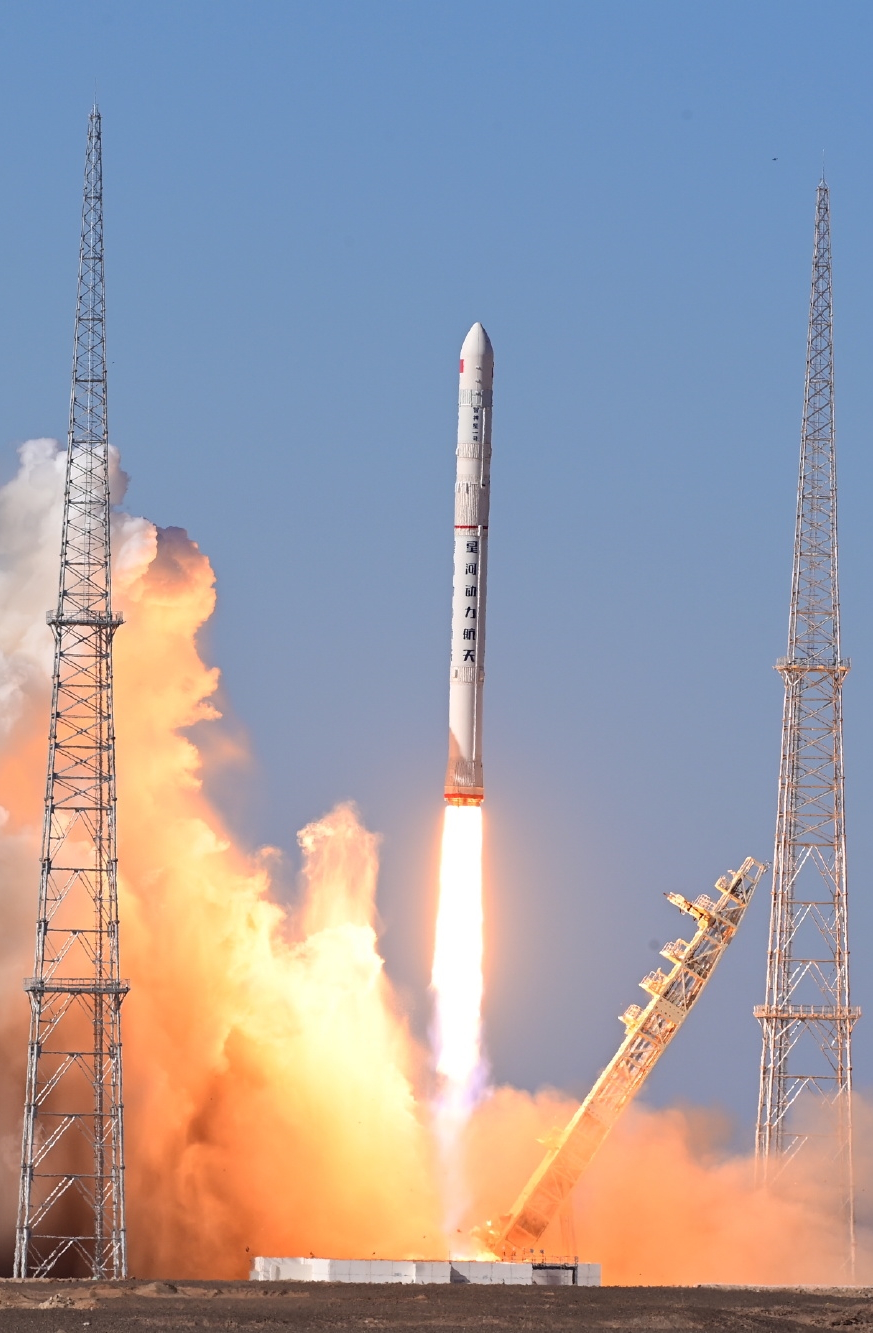
2026 – today
1 launches · 1 fully successful
Pallas-1 is a 2 stage, semi-reusable launch vehicle built by the Chinese private launch services provider Galactic Energy. Both stages are powered by the gas generator cycle rocket engine Welkin/Cangqiong 50 (CQ-50) using kerosene and liquid oxygen, with 7 engines on the 1st stage and 1 vacuum variant on the 2nd stage. It can launch 7 tonnes to LEO and 3 tonnes to SSO when the 1st stage is recovered downrange.
Launch archive
Tap a rocket to open its launches. Every launch has its own page with the mission, outcome, failure details and video where one exists.
 19 Jan 2018Jilin-1-07 (Deqing-1), Jilin-1-08Sun-Synchronous OrbitSuccess
 26 Apr 2018Zhuhai-1-02Low Earth OrbitSuccess
 21 Dec 2018Hongyun-1Low Earth OrbitSuccess
 21 Jan 2019Jilin-1 Hyperspectral 01, 02, Xiaoxiang-1-03, Lingque-1ASun-Synchronous OrbitSuccess
 5 Jun 2019Jilin-1 & othersSun-Synchronous OrbitSuccess
 19 Sep 2019Zhuhai-1-03Success
 29 May 2020XJS-G & XJS-HLow Earth OrbitSuccess15 Sep 2020Jilin-1 High Resolution 03B 01-06 & 03C 01-03Sun-Synchronous OrbitSuccess9 Dec 2020GECAMLow Earth OrbitSuccess30 Mar 2022Tianping-2 A/B/CSun-Synchronous OrbitSuccess30 Apr 2022Jilin-1 HR-03D-04 to 07 & 04ASun-Synchronous OrbitSuccess7 Oct 2022CentiSpace-1 S5 & S6Low Earth OrbitSuccess16 Dec 2022Shiyan 21Low Earth OrbitSuccess
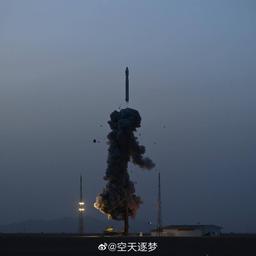 15 Mar 2023Shiyan 19Sun-Synchronous OrbitSuccess
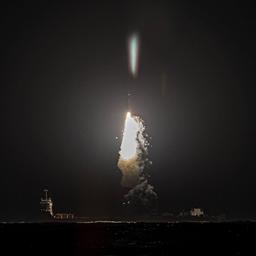 25 Dec 2023Shiyan 24CSun-Synchronous OrbitSuccess
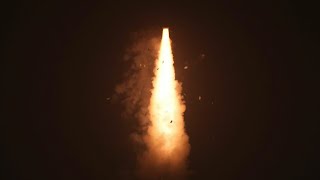 8 Nov 2025Shiyan 32 01-03Low Earth OrbitSuccess
 25 Jun 2016Development Flight 1Long March 7/YZ-1ASuccess
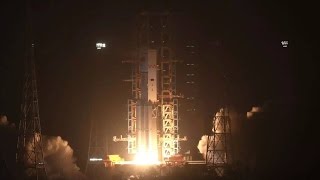 20 Apr 2017Tianzhou-1Long March 7Success16 Mar 2020TJS-6 (Maiden Flight)Long March 7AFailure
 11 Mar 2021Shiyan 9 (XJY-6-02)Long March 7ASuccess
 29 May 2021Tianzhou-2Long March 7Success
 20 Sep 2021Tianzhou-3Long March 7Success
 23 Dec 2021Shiyan 12-01 & 02Long March 7ASuccess
 9 May 2022Tianzhou-4Long March 7Success
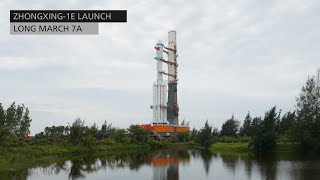 13 Sep 2022ChinaSat 1ELong March 7ASuccess
 12 Nov 2022Tianzhou-5Long March 7Success
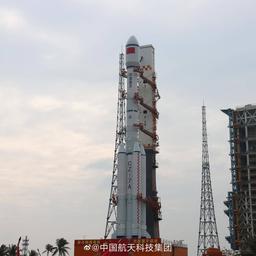 8 Jan 2023Shijian 23Long March 7ASuccess
 10 May 2023Tianzhou-6Long March 7Success
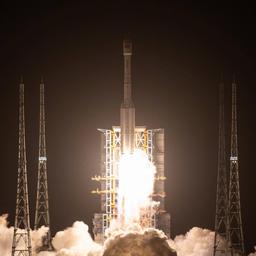 3 Nov 2023TJSW-10Long March 7ASuccess
 17 Jan 2024Tianzhou-7Long March 7Success29 Jun 2024ChinaSat 3ALong March 7ASuccess
 22 Aug 2024ChinaSat 4ALong March 7ASuccess
 15 Nov 2024Tianzhou-8Long March 7Success29 Mar 2025TJSW-16Long March 7ASuccess
 20 May 2025ChinaSat 3BLong March 7ASuccess
 14 Jul 2025Tianzhou-9Long March 7Success9 Sep 2025Yaogan 45Long March 7ASuccess
 3 Nov 2025Yaogan 46Long March 7ASuccess
 30 Nov 2025Shijian 28Long March 7ASuccess30 Dec 2025Shijian 29 A-BLong March 7ASuccess
 11 May 2026Tianzhou-10Long March 7Success
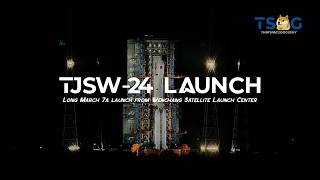 26 May 2026TJSW-24Long March 7ASuccess23 Jun 2026TJSW-26ALong March 7ASuccess
 29 Jul 2026Tianlian 3-01Long March 7ASuccess
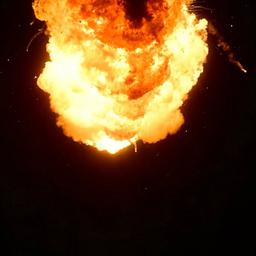 10 Aug 2026ChinaSat 4BLong March 7AFailure
 3 Nov 2016Shijian 17Long March 5/YZ-2Success
 2 Jul 2017Shijian 18Long March 5/YZ-2Failure
 27 Dec 2019Shijian 20Long March 5Success
 5 May 2020Maiden FlightLong March 5BSuccess
 23 Jul 2020Tianwen-1 (Mars Global Remote Sensing Orbiter and Small Rover)Long March 5Success
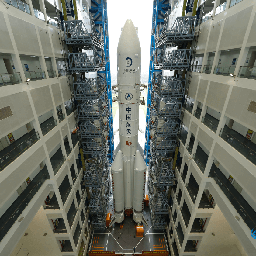 23 Nov 2020Chang'e 5Long March 5Success
 29 Apr 2021TianheLong March 5BSuccess
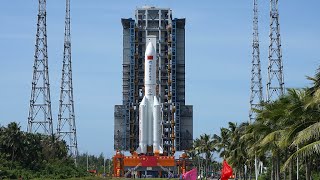 24 Jul 2022WentianLong March 5BSuccess
 31 Oct 2022MengtianLong March 5BSuccess
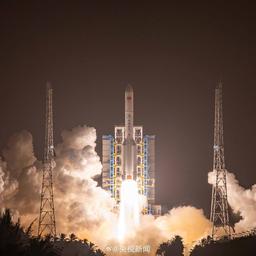 15 Dec 2023Yaogan 41Long March 5Success
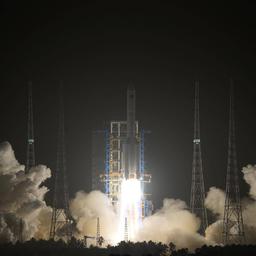 23 Feb 2024TJSW-11Long March 5Success
 3 May 2024Chang'e 6Long March 5Success
 16 Dec 2024SatNet LEO Group 01Long March 5B/YZ-2Success28 Apr 2025SatNet LEO Group 03Long March 5B/YZ-2Success13 Aug 2025SatNet LEO Group 08Long March 5B/YZ-2Success
 23 Oct 2025TJSW-20Long March 5Success
 20 Dec 2025TJSW-23Long March 5Success
 11 Jun 2026TJSW-25Long March 5Success
 27 Oct 2018Weilai-1 (Future-1)Zhuque-1Failure
 14 Dec 2022Maiden FlightZhuque-2Failure
 12 Jul 2023Flight 2Zhuque-2Success
 8 Dec 2023Flight 3Zhuque-2Success
 27 Nov 2024Guangchuan-01 & 02Zhuque-2ESuccess
 17 May 20256 satellitesZhuque-2ESuccess15 Aug 20254 x SatNet test satellitesZhuque-2EFailure3 Dec 2025Demo FlightZhuque-3Success14 May 2026Mass SimulatorZhuque-2E Block 2Success9 Jun 20262 x SatNet DTC test satellitesZhuque-2E Block 2Success18 Aug 2026Honghu-03Zhuque-3Success15 Sep 2026SpaceSail Polar Group #15Zhuque-2E Block 2Success14 Oct 202610 satellitesZhuque-2E Block 2Success
 25 Jul 2019Maiden FlightLow Earth OrbitSuccess1 Feb 2021UnknownFailure3 Aug 2021Jilin-1 Mofang-01A (?)Sun-Synchronous OrbitFailure13 May 2022Jilin-1 Mofang-01A(R)Sun-Synchronous OrbitFailure
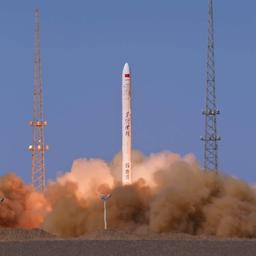 7 Apr 2023Dummy PayloadSun-Synchronous OrbitSuccess
 17 Dec 2023DEAR-1Sun-Synchronous OrbitSuccess10 Jul 2024Yunyao-1 15-17Sun-Synchronous OrbitFailure29 Jul 2025Kunpeng-03Sun-Synchronous OrbitSuccess
 5 Dec 2023SatNet test satelliteSmart Dragon 3Success
 3 Feb 20249 satellitesSmart Dragon 3Success24 Sep 20248 satellitesSmart Dragon 3Success
 13 Jan 202510 x CentiSpace-1Smart Dragon 3Success
 8 Aug 2025Geely Constellation Group 04Smart Dragon 3Success
 8 Sep 2025Geely Constellation Group 05Smart Dragon 3Success24 Sep 2025Geely Constellation Group 06Smart Dragon 3Success12 Feb 2026PRSC-EO2 & 6 satellitesSmart Dragon 3Success
 22 Mar 202610 x CentiSpace-1Smart Dragon 3Success11 Apr 2026SatNet test satelliteSmart Dragon 3Success
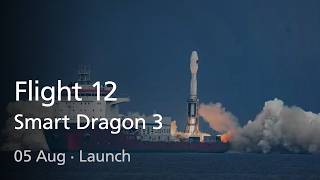 5 Aug 2026OSE HS-01 & 02Smart Dragon 3Success
 7 Dec 2021Golden Bauhinia 1-03 & othersCeres-1Success9 Aug 2022Taijing-1-01 & 02Ceres-1Success
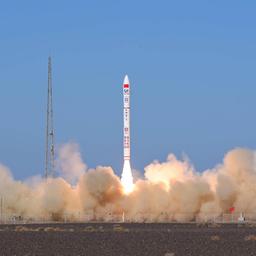 16 Nov 2022Jilin-1 High Resolution 03D-08, 51 to 54Ceres-1Success
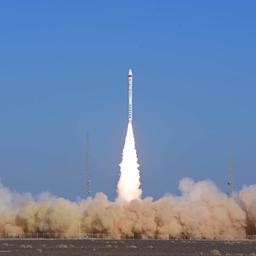 9 Jan 20235 satellitesCeres-1Success
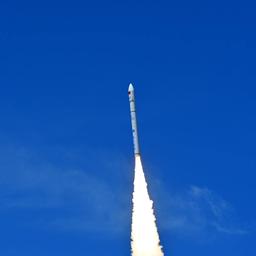 22 Jul 2023Qiankun-1 & Xingshidai‐16Ceres-1Success
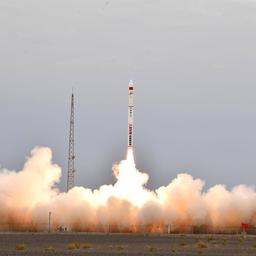 10 Aug 20237 satellitesCeres-1Success
 25 Aug 2023Jilin-1 Wideband-02ACeres-1Success
 5 Sep 2023Tianqi 21-24Ceres-1SSuccess
 21 Sep 2023Jilin-1 High Resolution 04BCeres-1Failure
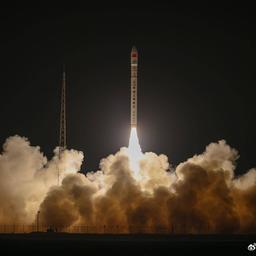 4 Dec 2023Tianyan-16 & Starpool-01ACeres-1Success
 29 May 2024Tianqi 25-28Ceres-1SSuccess30 May 20245 satellitesCeres-1Success6 Jun 20243 satellitesCeres-1Success
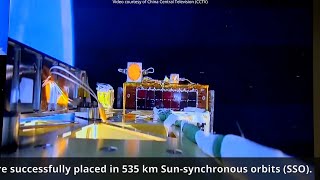 29 Aug 20246 satellitesCeres-1SSuccess
 19 Dec 2024Tianqi 33-36Ceres-1SSuccess20 Jan 20255 satellitesCeres-1Success17 Mar 20258 satellitesCeres-1Success21 Mar 2025Yunyao-1 43-48Ceres-1Success
 19 May 2025Tianqi 16-18 & 20Ceres-1SSuccess5 Sep 20253 satellitesCeres-1Success10 Nov 2025Jilin-1 High Resolution-04C and othersCeres-1Failure
 15 Jan 2026Tianqi 37-40Ceres-1SSuccess
 21 Oct 2026Xiguang-4 01Ceres-1SSuccess
 22 Dec 2020XJY-7 & othersLong March 8Success
 27 Feb 2022Hainan-1 to 4 & othersLong March 8 (Core Only)Success
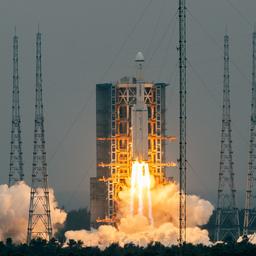 20 Mar 2024Queqiao-2Long March 8Success
 11 Feb 2025SatNet LEO Group 02 (Demo Flight)Long March 8ASuccess
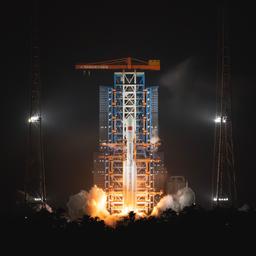 11 Mar 2025SpaceSail Polar Group #5Long March 8Success
 30 Jul 2025SatNet LEO Group 06Long March 8ASuccess
 25 Aug 2025SatNet LEO Group 10Long March 8ASuccess
 16 Oct 2025SatNet LEO Group 12Long March 8ASuccess
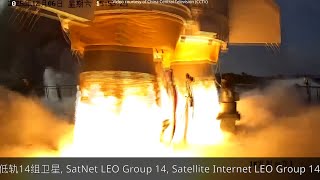 6 Dec 2025SatNet LEO Group 14Long March 8ASuccess25 Dec 2025SatNet LEO Group 17Long March 8ASuccess
 13 Jan 2026SatNet LEO Group 18Long March 8ASuccess
 12 Mar 2026SatNet LEO Group 20Long March 8ASuccess7 Apr 2026SpaceSail Polar Group #7Long March 8Success
 17 May 2026SpaceSail Polar Group #9Long March 8Success
 5 Jun 2026SpaceSail Polar Group #12Long March 8Success
 5 Jul 2026SpaceSail Polar Group #14Long March 8ASuccess
 4 Aug 2026SatNet LEO Group 23Long March 8ASuccess
 23 Sep 2026SatNet LEO Group 26Long March 8ASuccess
 25 Oct 2026SatNet LEO Group 28Long March 8ASuccess
 20 Nov 2026SatNet LEO Group 30Long March 8ASuccess
 7 Jun 2023Flight 2Sun-Synchronous OrbitSuccess
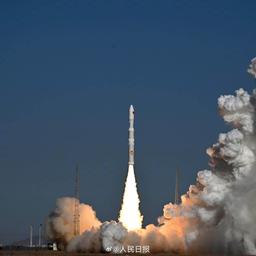 23 Jan 2024Flight 3Sun-Synchronous OrbitSuccess24 Sep 20245 satellitesSun-Synchronous OrbitSuccess11 Nov 202415 satellitesSun-Synchronous OrbitSuccess27 Dec 2024DEAR-3 & 10 other satellitesSun-Synchronous OrbitFailure21 May 20256 satellitesSun-Synchronous OrbitSuccess19 Aug 20257 satellitesSun-Synchronous OrbitSuccess19 Oct 2025PRSC-HS1 & AIRSAT-03/04Sun-Synchronous OrbitSuccess9 Nov 2025Chutian-2 01 & 02Sun-Synchronous OrbitSuccess
 10 Dec 20259 satellitesSun-Synchronous OrbitSuccess14 Apr 20268 x Jilin-1Sun-Synchronous OrbitSuccess15 May 20265 satellitesSun-Synchronous OrbitSuccess15 Jun 20268 x Jilin-1Sun-Synchronous OrbitSuccess
 23 Jul 20265 satellitesSun-Synchronous OrbitSuccess20 Sep 20269 satellitesSun-Synchronous OrbitSuccess
 30 Nov 2024Maiden FlightLong March 12Success
 4 Aug 2025SatNet LEO Group 07Long March 12Success
 10 Nov 2025SatNet LEO Group 13Long March 12Success11 Dec 2025SatNet LEO Group 16Long March 12Success
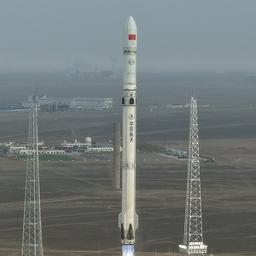 23 Dec 2025Demo FlightLong March 12ASuccess
 19 Jan 2026SatNet LEO Group 19Long March 12Success
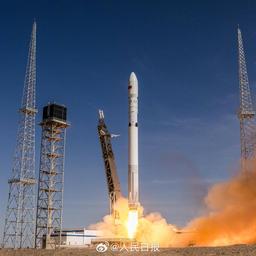 1 Jun 2026Demo Flight (SpaceSail Polar Group #10)Long March 12BSuccess17 Jun 2026SatNet LEO Group 22Long March 12Success
 16 Aug 2026SatNet LEO Group 24Long March 12Success
 17 Sep 2026SatNet LEO Group 25Long March 12Success
 9 Oct 2026SatNet LEO Group 27Long March 12Success
 8 Nov 2026SatNet LEO Group 29Long March 12Success
Data as of 2026-11-24 from Launch Library 2.