Rocket Launch Archive

United States · since 2006

United Launch Alliance

The Boeing and Lockheed Martin joint venture behind Atlas V, Delta II, Delta IV Heavy and now Vulcan Centaur: America's national-security workhorse for two decades.

176Launches archived
99%Fully successful
2006First launch
138Launch videos

Upcoming

Next ULA launches

Next launch

USSF-57

No earlier than 2026 (date not set) · Vulcan · Cape Canaveral SFS, FL, USA

First of three Next Generation Overhead Persistent Infrared geostationary satellites designed for missile warning.

  1. SDA Tranche 1 Tracking Layer EVulcan · Vandenberg SFB, CA, USATo Be Determined
  2. SILENTBARKER 2/NROL-118Vulcan · Cape Canaveral SFS, FL, USATo Be Determined
  3. USSF-23Vulcan · Cape Canaveral SFS, FL, USATo Be Determined
  4. NROL-83Vulcan · Vandenberg SFB, CA, USATo Be Determined
  5. NROL-64Vulcan · Cape Canaveral SFS, FL, USATo Be Determined
  6. SDA Tranche 1 Tracking Layer BVulcan · Vandenberg SFB, CA, USATo Be Determined
  7. USSF-43Vulcan · Cape Canaveral SFS, FL, USATo Be Determined
  8. WGS-11Vulcan · Cape Canaveral SFS, FL, USATo Be Determined
  9. USSF-16Vulcan · Cape Canaveral SFS, FL, USATo Be Determined

Schedule from Launch Library 2, refreshed every Monday and Thursday. Times shown in your time zone.

Rocket guide

ULA rockets

Every ULA rocket family, drawn to the same scale with a person for reference. Tap one to read about it.

0 m10 m20 m30 m40 m50 m60 m70 mAtlas V58.3 mDelta II38.7 mDelta IV Heavy72 mDelta IV66.2 mVulcan61.6 m
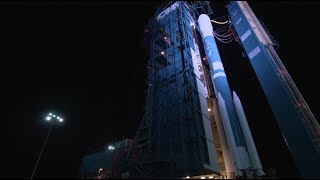
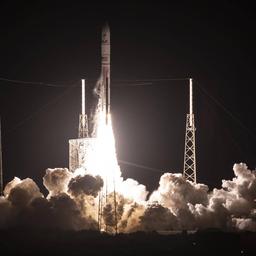
Atlas V 401

2006 – today

Atlas V

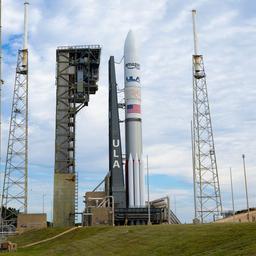
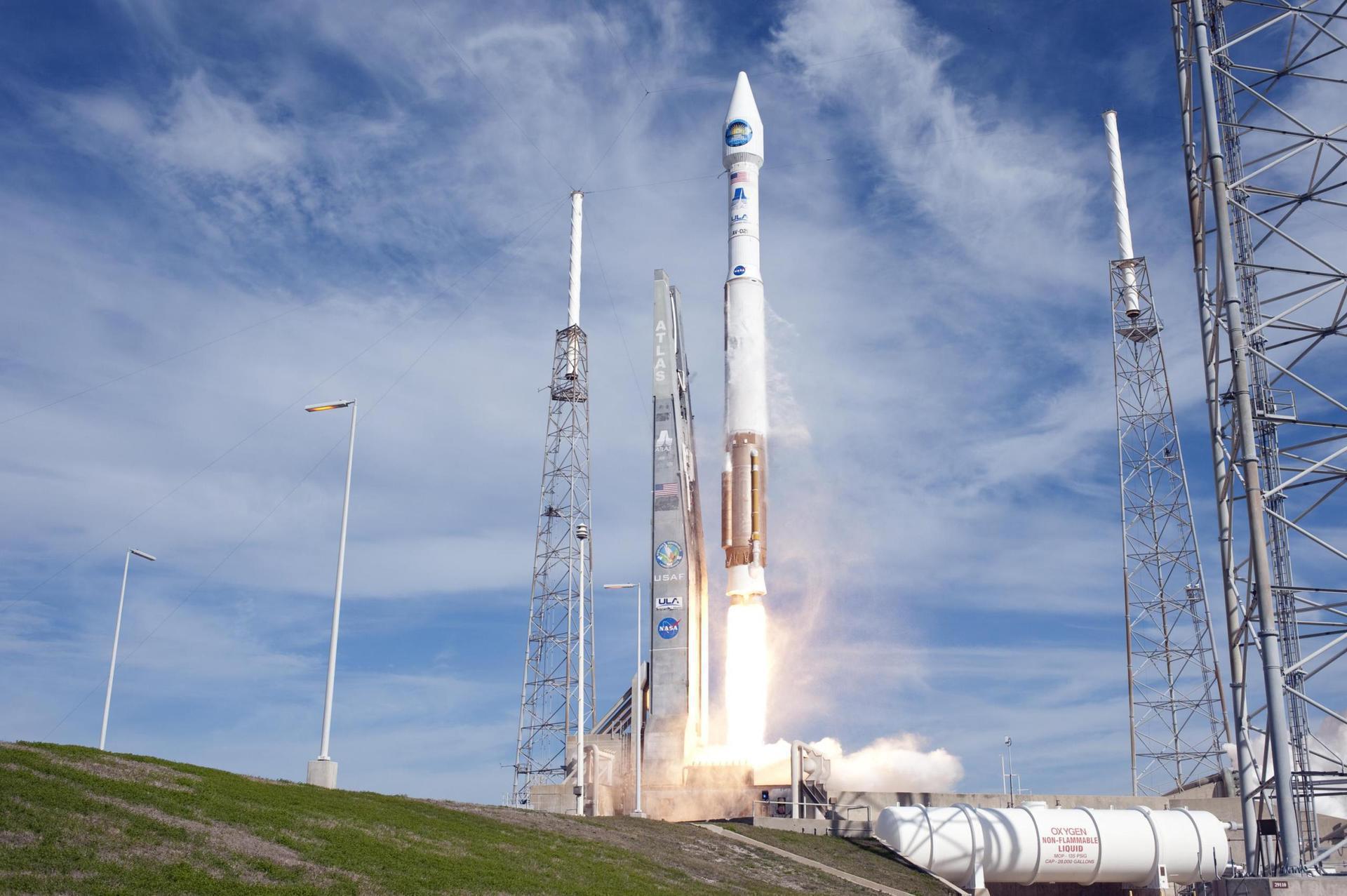
Russian RD-180 power, Centaur upper stage, up to five solid boosters.

An Atlas V with a 4 meter diameter fairing, no boosters and a single centaur upper stage engine.

Height
58.3 m
Diameter
3.8 m
Liftoff mass
590 t
To low Earth orbit
9.1 t
To GTO
5 t
Liftoff thrust
3,827 kN
Launches here
103
Fully successful
103 (100%)
Reusable
No
  • Atlas V 401: 38 launches
  • Atlas V 551: 23 launches
  • Atlas V 421: 9 launches
  • Atlas V 541: 9 launches
  • Atlas V 501: 8 launches
  • Atlas V 411: 5 launches
  • Atlas V 531: 5 launches
  • Atlas V N22: 3 launches
  • and 2 more variants
See all 103 Atlas V launches ↓
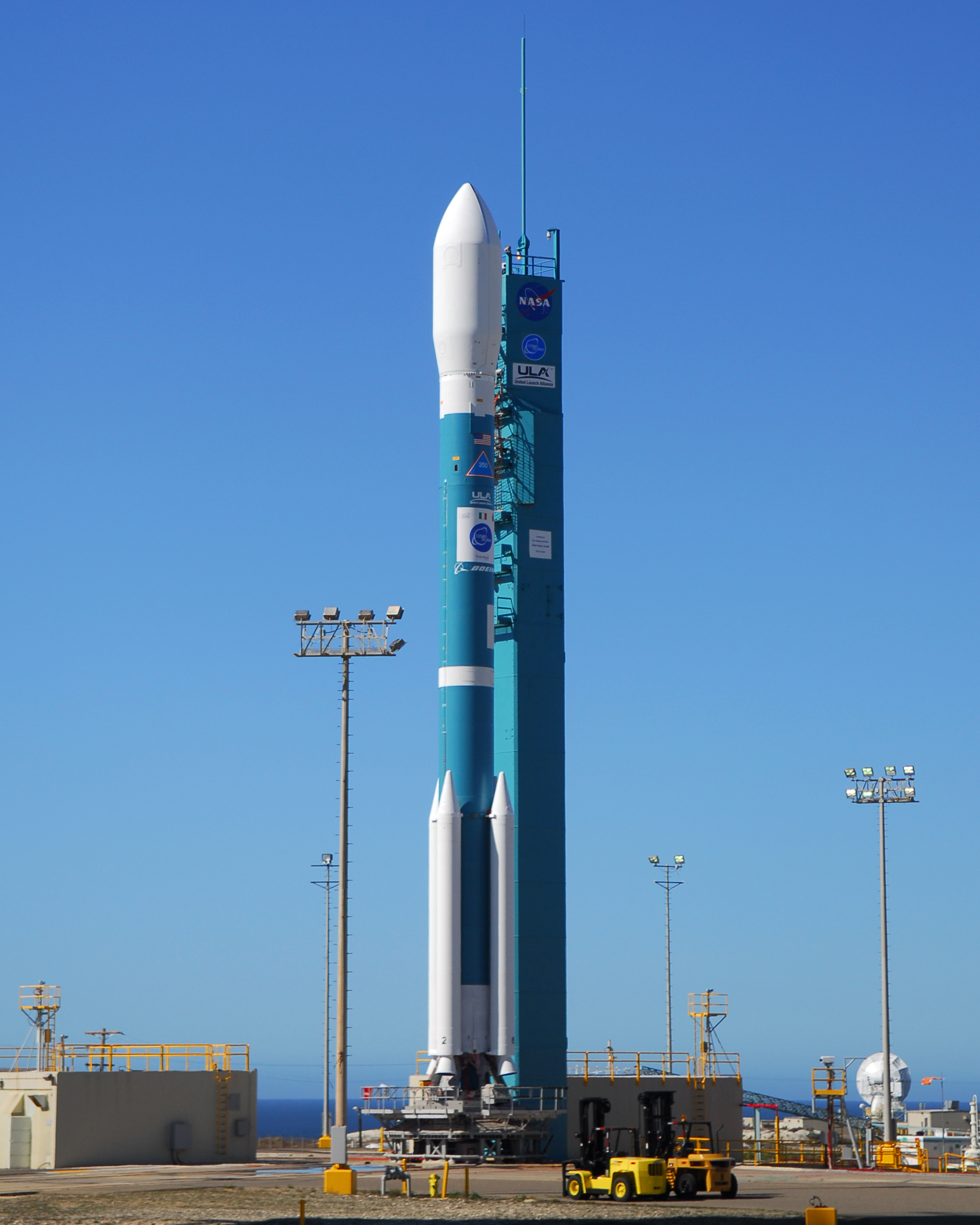
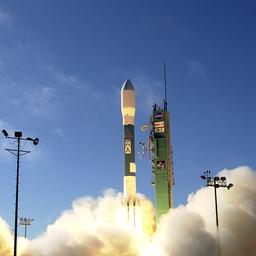
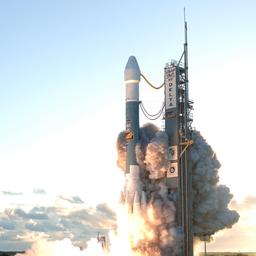
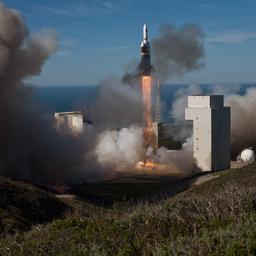
Delta II 7420-10C
USAF/Joe Davila

2006 – 2018

Delta II

The 1990s–2000s workhorse that sent Spirit, Opportunity and Phoenix to Mars.

Delta II is an American space launch system developed by McDonnell Douglas, now part of the Delta rocket family operated by United Launch Alliance. With more than 150 missions and a nearly perfect track record, Delta II has established itself as one of the most successful orbital launch systems.

Height
38.7 m
Diameter
2.4 m
Liftoff mass
—
To low Earth orbit
3.1 t
To GTO
—
Liftoff thrust
1,895 kN
Launches here
30
Fully successful
30 (100%)
Reusable
No
  • Delta II 7420-10C: 6 launches
  • Delta II 7925-9.5: 4 launches
  • Delta II 7320-10C: 4 launches
  • Delta II 7920-10C: 4 launches
  • Delta II 7920-10: 3 launches
  • Delta II 7925: 2 launches
  • Delta II 7920H-10C: 2 launches
  • Delta II 7320: 2 launches
  • and 3 more variants
See all 30 Delta II launches ↓
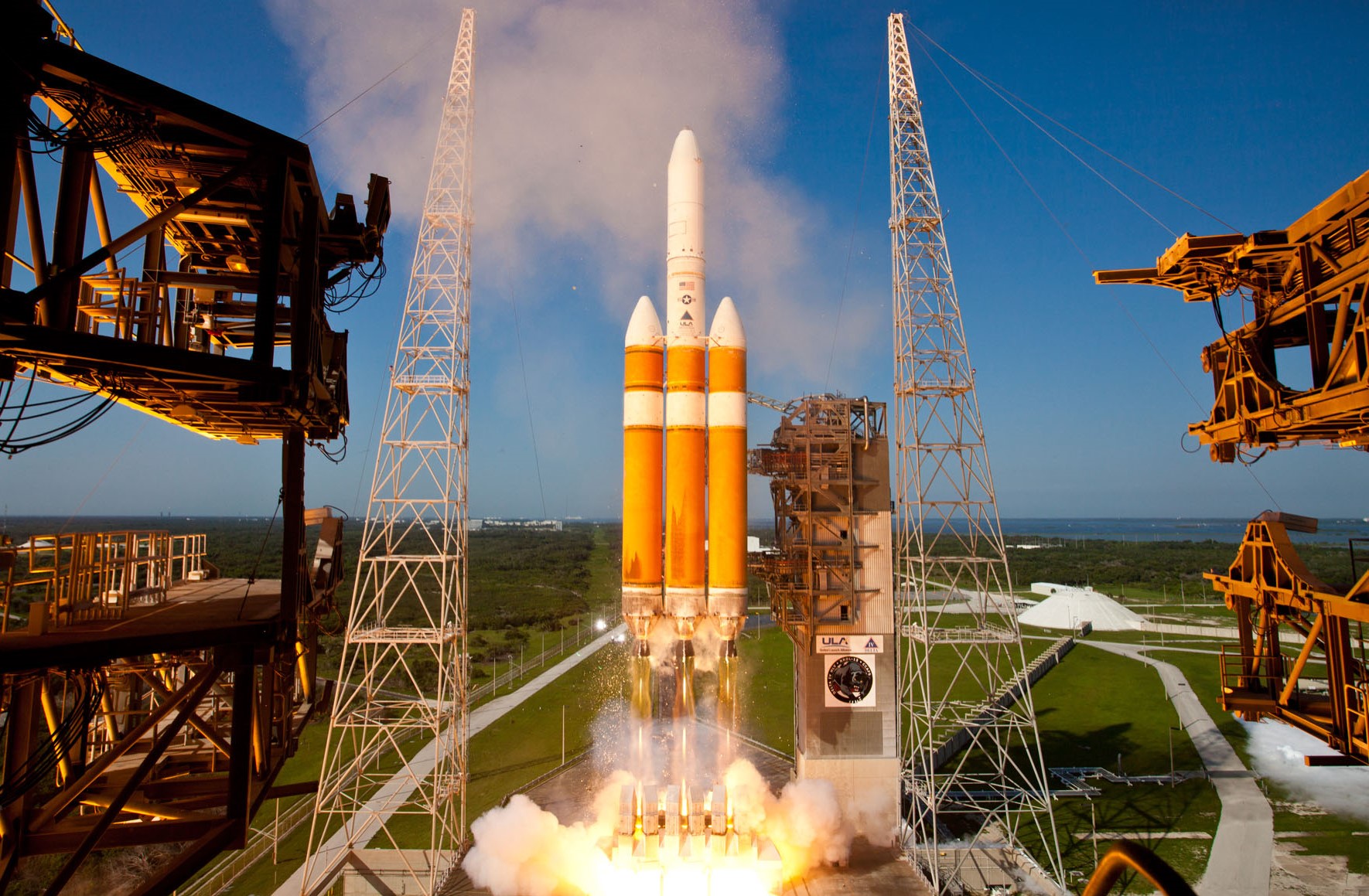
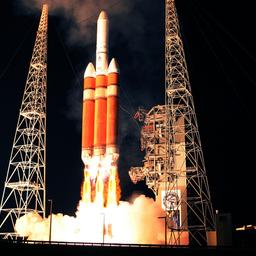
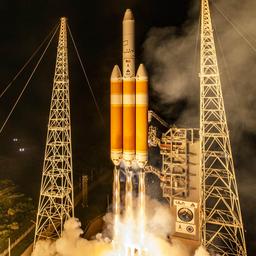
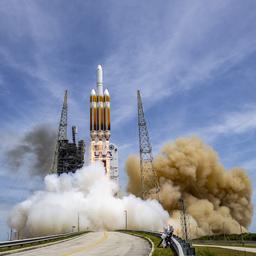
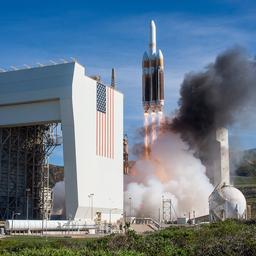
Delta IV Heavy
United Launch Alliance

2007 – 2024

Delta IV Heavy

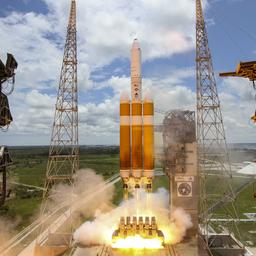
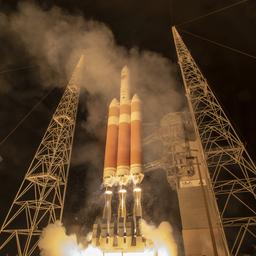
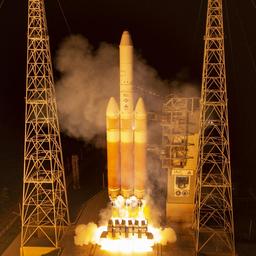
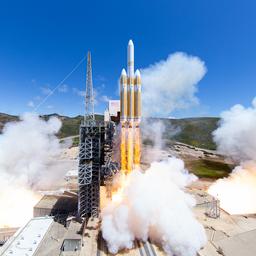
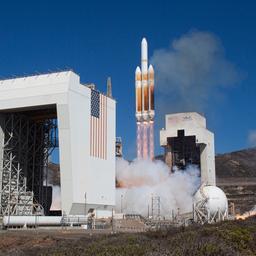
Three hydrogen cores side by side; it launched Parker Solar Probe.

The Delta IV Heavy (Delta 9250H) is an expendable heavy-lift launch vehicle, the largest type of the Delta IV family, and is the world's second highest-capacity rocket in operation. It is manufactured by United Launch Alliance and was first launched in 2004.

Height
72 m
Diameter
5 m
Liftoff mass
733 t
To low Earth orbit
28.4 t
To GTO
14.2 t
Liftoff thrust
8,674 kN
Launches here
15
Fully successful
15 (100%)
Reusable
No
See all 15 Delta IV Heavy launches ↓
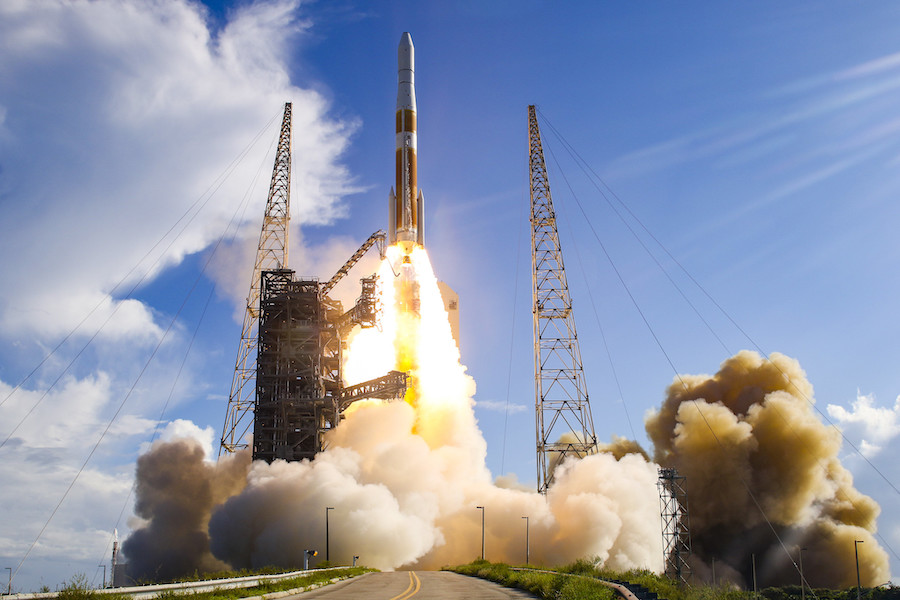
Delta IV M+(4,2)
United Launch Alliance

2009 – 2019

Delta IV

Hydrogen-fueled RS-68 engines; the Heavy flew three cores side by side.

Height
66.2 m
Diameter
5 m
Liftoff mass
292 t
To low Earth orbit
11.9 t
To GTO
6.3 t
Liftoff thrust
4,200 kN
Launches here
23
Fully successful
23 (100%)
Reusable
No
  • Delta IV M+(4,2): 12 launches
  • Delta IV M+(5,4): 8 launches
  • Delta IV M+(5,2): 3 launches
See all 23 Delta IV launches ↓
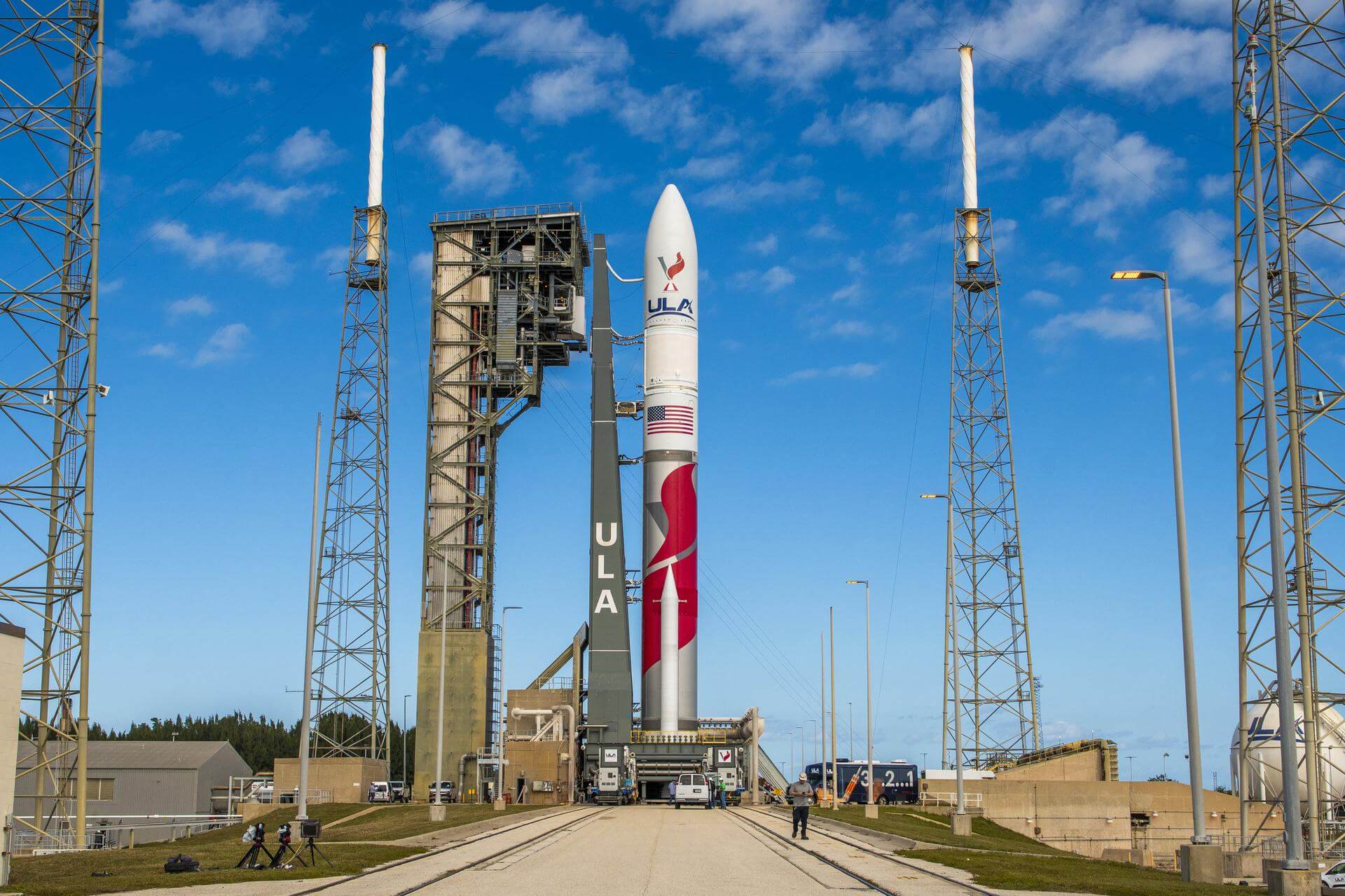
Vulcan VC2S
United Launch Alliance

2024 – today

Vulcan

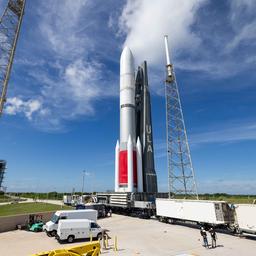
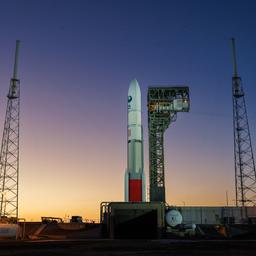
ULA's next generation: BE-4 engines, up to six solid boosters.

Vulcan Centaur is a two-stage-to-orbit, heavy-lift launch vehicle under development by United Launch Alliance (ULA) since 2014. It is principally designed to meet launch demands for the U.S. government's National Security Space Launch (NSSL) program for use by the United States Space Force and U.S. intelligence agencies for national security satellite launches. It will replace both of ULA's existing launchers (Atlas V and Delta IV Heavy) in this role, as these launchers are retiring.

Height
61.6 m
Diameter
5.4 m
Liftoff mass
663 t
To low Earth orbit
19 t
To GTO
8.4 t
Liftoff thrust
9,303 kN
Launches here
5
Fully successful
4 (80%)
Reusable
No
  • Vulcan VC2S: 2 launches
  • Vulcan VC4S: 2 launches
  • Vulcan VC6L: 1 launch
See all 5 Vulcan launches ↓

Launch archive

Every ULA launch

Tap a rocket to open its launches. Every launch has its own page with the mission, outcome, failure details and video where one exists.

2006 – 2026

Atlas V

103 launches · 103 successful
About this rocket ↑
20264 launches
20255 launches
20242 launches
20232 launches
20227 launches
20214 launches
20205 launches
20192 launches
20185 launches
20176 launches
20168 launches
20159 launches
20149 launches
20138 launches
20126 launches
20115 launches
20104 launches
20095 launches
20082 launches
20074 launches
20061 launch
2006 – 2018

Delta II

30 launches · 30 successful
2007 – 2024

Delta IV Heavy

15 launches · 15 successful
2009 – 2019

Delta IV

23 launches · 23 successful
2024 – 2026

Vulcan

5 launches · 4 successful

Data as of 2026-11-24 from Launch Library 2.